Water Damage Restoration Austin TX | 24/7 Emergency Service
Water spreading across your floor doesn’t wait for business hours, and neither do we. For water damage restoration in Austin, Water Damage Pros Austin sends a local crew to pull standing water, dry out your home, and put things back together, whether it’s 2 in the afternoon or 2 in the morning.
Austin Water Damage Repair and Restoration Services
A leak can turn into mold, and a fire can leave soaked ceilings behind. Here’s what our crews handle.
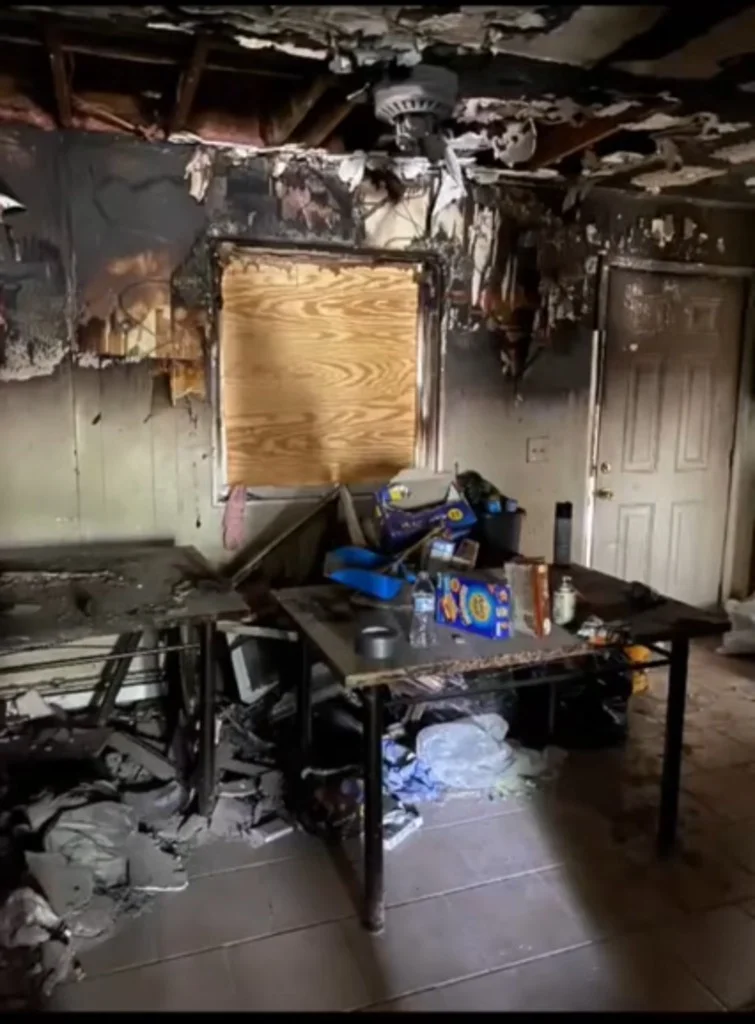
Fire Damage Restoration
The fire gets the headlines, but the water used to put it out often does just as much harm. We clean up smoke, soot and the soaked drywall left behind.
Emergency Water Extraction
Standing water does its worst damage in the first few hours. Our extractors pull it out of carpet, pad and subfloor fast, before it wicks into walls.
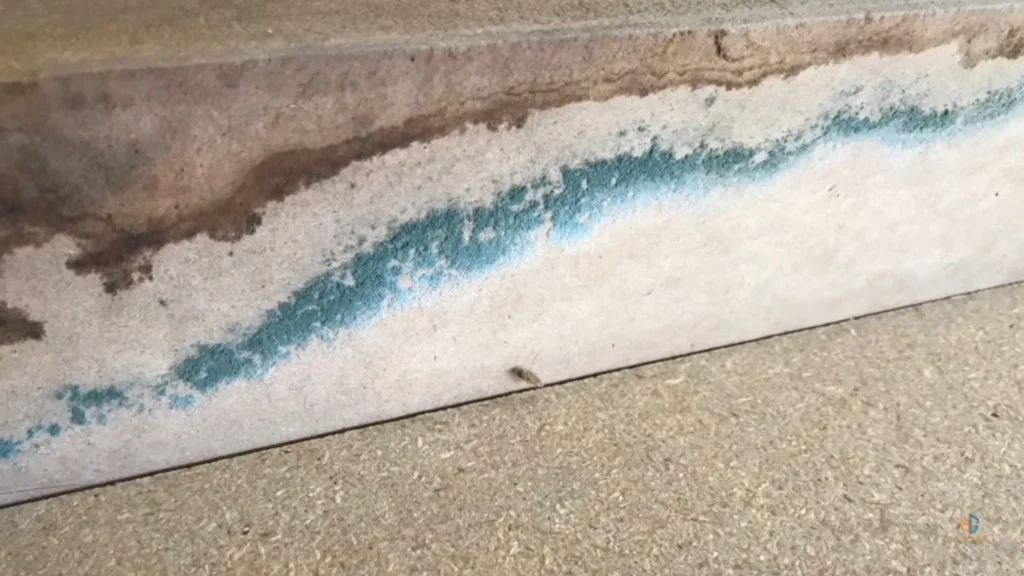
Mold Remediation
Mold can start growing within 24 to 48 hours of a leak. We contain it, remove it safely with HEPA filtration and fix the moisture behind it so it doesn’t come back.
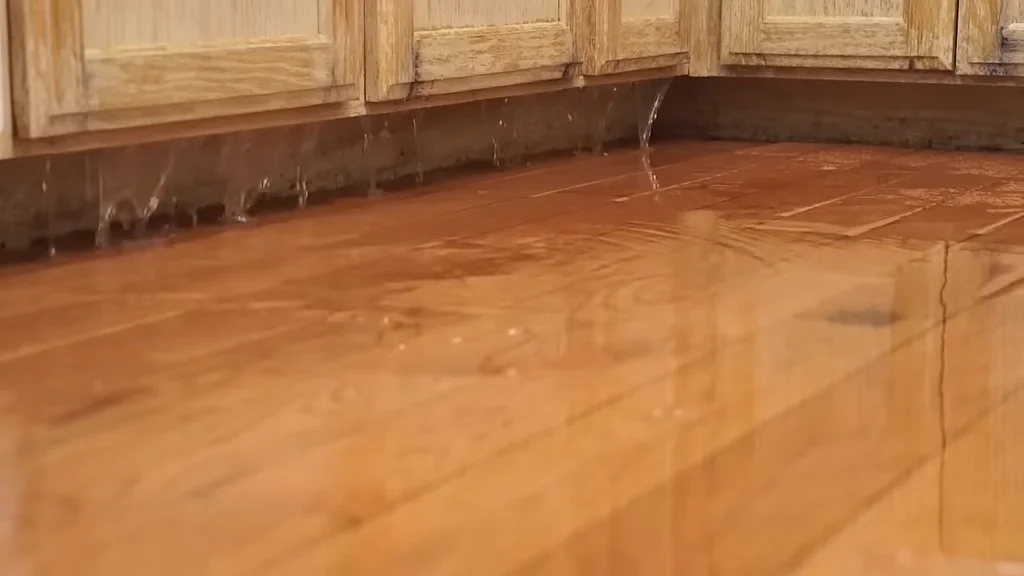
Water Damage Restoration
Burst pipes, appliance leaks and storm flooding all end the same way: water in your walls and floors. We extract it, dry the structure and repair what’s damaged.
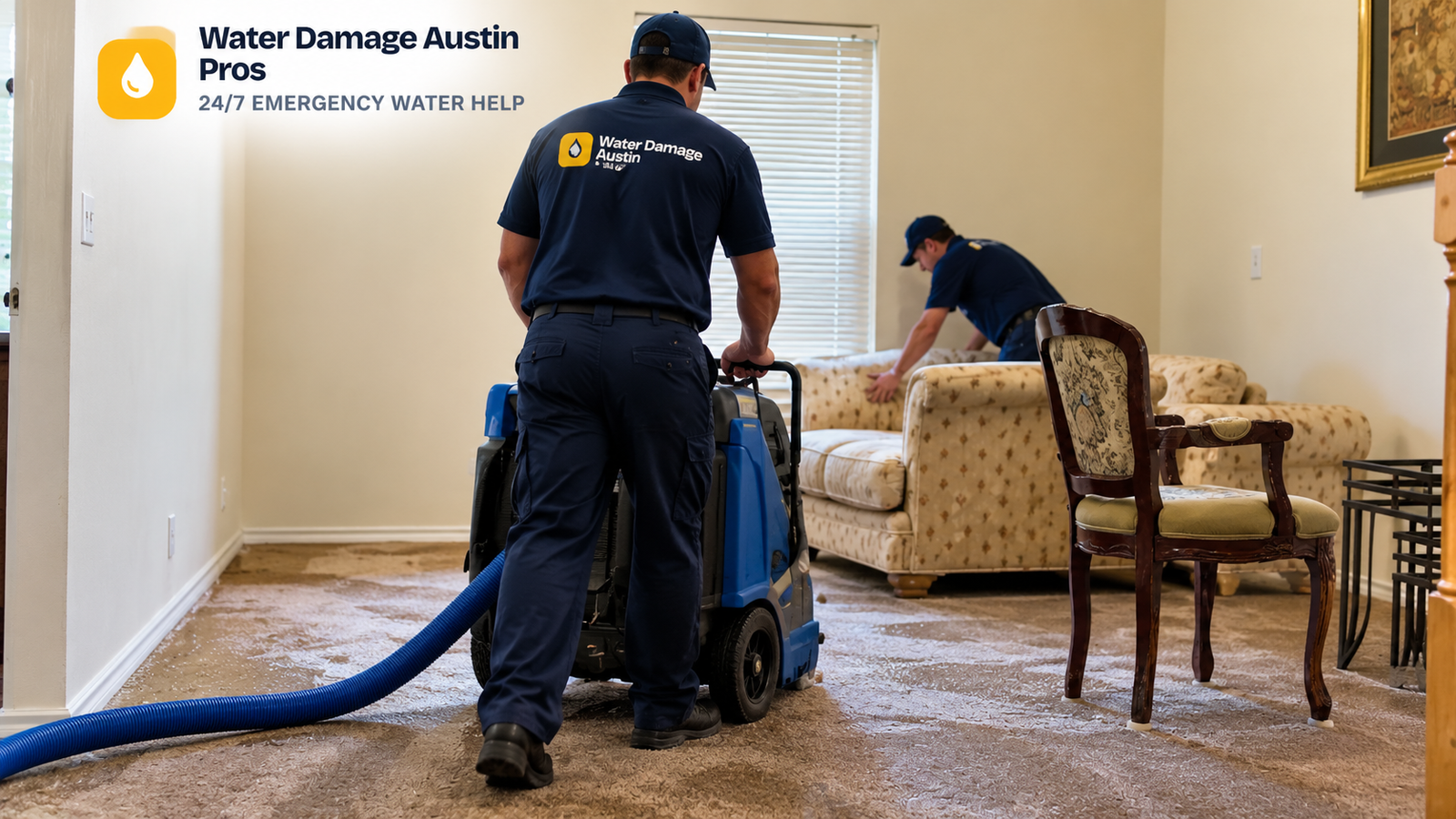
Austin Water Damage Crew That Knows Every Neighborhood
Plenty of national brands run ads in this market. Fewer actually know what a slab leak does to a 1960s bungalow in Allandale versus a two story home in Circle C. That gap matters when your property is on the line.
- Phones answered by an actual person, 24/7
- Inspection and estimate handled before any work begins
- Insurance paperwork and moisture documentation done for you
- Technicians who work Austin neighborhoods every week, not occasionally
- Pricing you see upfront, not after the invoice arrives
- Every job measured against the IICRC S500 restoration standard
What Happens After You Call
Your Call Gets Answered
Not a voicemail, not a bot. Tell us your address and what’s happening, and we give you a real arrival window.
Emergency Water Removal Starts Right Away
Moisture meters and thermal imaging locate water you can’t see, then extraction equipment starts pulling it out immediately.
Your Structure Gets Dried, Not Just Mopped
Air movers and dehumidifiers stay in place until readings on the framing, subfloor, and walls confirm the moisture is actually gone.
Repairs Bring It Back Together
Cleaning, sanitizing, mold prevention, and repair work close out the job so you’re not left with a dry house that still needs fixing.
Water Damage in Austin: Why Homes Here Flood Differently
Most homes in this city sit on a concrete slab poured over limestone and expansive clay, which sounds like a footnote until you realize what it means for water. There’s no basement to catch a leak and slow it down. Water spreads sideways, under tile, behind cabinets, into wall cavities, long before it ever shows up as a stain you’d notice.
Older housing stock around Hyde Park, Travis Heights, and Clarksville still runs plumbing that’s decades past its prime, and it tends to fail without much warning. Newer two story construction out in Circle C and Mueller has its own risk: an upstairs bathroom leak can travel straight through a ceiling and ruin a living room below before anyone notices.
Then there’s the weather, which doesn’t do subtle. A single storm off the Balcones Escarpment can dump enough rain to overwhelm drainage near Shoal Creek and Onion Creek within an hour. Central Texas also isn’t immune to hard freezes, the February 2021 freeze burst supply lines across the region with almost no notice. And once water does get into a structure, Austin’s humidity turns it into a mold problem within 24 to 48 hours, faster than most homeowners expect.
None of this changes what needs to happen next. Water comes out first, the structure dries second, and repairs follow once everything reads clean. Skipping steps because it feels faster almost always costs more later.
Clean, Gray or Black Water: Why the Source Matters
Not all water damage is the same, and the IICRC S500 standard sorts it into three categories, plus four drying classes based on how much material got wet. The category decides how your home has to be cleaned, not just dried.
Category 1 is clean water from a supply line, faucet or water heater. It’s the easiest to handle, but it doesn’t stay clean. After a day or two in carpet and drywall, it can turn into Category 2.
Category 2 is gray water from a washing machine, dishwasher or toilet overflow with no waste. It carries bacteria, so wet materials need cleaning and antimicrobial treatment, not just air movers.
Category 3 is black water: sewage backups, creek floodwater and storm runoff. Soaked carpet, pad and drywall usually have to be removed, and the water damage cleanup is done in protective gear.
What to Do While You Wait for Emergency Water Damage Restoration
The first few minutes matter. These steps are the start of water mitigation, and they keep you safe and limit the damage until our Austin crew arrives.
Shut off the water at the main valve if the source is a pipe or appliance. Turn off power to wet rooms at the breaker, but only if you can reach the panel without standing in water. Move electronics, rugs, photos and documents to a dry area.
Stay out of sewage water and keep kids and pets away from it. Take photos and video of everything before anything is moved or thrown out. Your insurance adjuster will want to see the damage as it was.
Storm Damage, Flash Floods and Your Insurance Claim
Central Texas sits in what forecasters call Flash Flood Alley. In the Halloween Flood of 2013, Onion Creek reached its highest level since 1921, and storm damage in Austin can arrive just as fast today. How that damage is covered depends on how the water got in.
Sudden damage, like a burst supply line, an appliance overflow or wind-driven rain, is the kind most homeowner policies are written for. Rising floodwater and slow leaks often fall under different coverage.
Either way, strong records make the claim easier. Good water restoration in Austin starts with moisture readings, photos and a room-by-room scope of work recorded from day one, ready to share with your adjuster.
Flood Damage Restoration in Austin
Flooding here rarely comes from a slow, steady rise. It comes from a storm that drops inches of rain in an hour and sends Shoal Creek, Waller Creek and Onion Creek over their banks before most people know it’s raining that hard. Shoal Creek spilled into nearby homes and businesses in May 2015, and neighborhoods near creeks across the city have seen the same thing more than once.
Floodwater from creeks and storm runoff counts as Category 3 water. It carries soil, bacteria and whatever it picked up on the way in, so it can’t be treated like a leak from a supply line. Soaked carpet, pad and the bottom of drywall usually have to come out, and everything left behind needs cleaning and antimicrobial treatment before drying starts.
That’s why flood damage restoration follows a stricter order: extract the water, remove what can’t be saved, sanitize, then dry the structure until moisture readings confirm it’s back to normal. Skipping straight to fans traps contamination inside the walls and sets up a mold problem a few weeks later. The EPA advises drying wet materials within 24 to 48 hours to prevent mold.
Water Damage Restoration Across Austin and Nearby Towns
You don’t have to be inside the city limits to get the same response. Our coverage runs through Travis County and the towns around it:
Your Local Water Damage Company in Austin, TX
We’re not routing your call to a dispatch center in another state. This is a local operation, answering the phone at 3am the same way we do at 3pm.
- Phones open every hour of every day
- Coverage across Austin and the surrounding suburbs
- Estimate and inspection handled on arrival
What Homeowners Around Austin Are Saying
We had water damage in our living room after a pipe started leaking. The team responded quickly, explained the restoration process, and kept us updated throughout the job. They made a stressful situation much easier to handle.
After discovering water damage in our home, we needed help before the problem got worse. The crew was professional, checked the affected areas carefully, and worked hard to get everything dried out. Communication was great from start to finish.
Water had spread across our floors after a plumbing leak. The crew worked efficiently to remove the standing water and explained the drying process. I appreciated their clear communication and attention to detail.
What Austin Homeowners Ask About Water Damage
We treat every call as urgent, and most Austin area jobs see a crew on site within the hour. Traffic and weather can shift that slightly, but you’ll get a real window, not a guess.
Always. Pipes don’t check a calendar before they burst, so neither do we. Calls at 4am get the same response as calls at 4pm.
Sudden losses, a burst pipe, an appliance overflow, storm intrusion, are typically covered under most homeowner policies. Gradual leaks and general flooding sometimes fall under separate coverage. We document the loss thoroughly either way so your claim has what it needs.
Three to five days covers most jobs. Hardwood floors, plaster, and a soaked slab can push that longer. We don’t pull equipment on a schedule, we pull it when the readings say the structure is dry.
If it’s clean water and you catch it within minutes, maybe. Anything that’s had time to soak into drywall, flooring, or a subfloor needs professional extraction, because moisture hides in places a towel can’t reach, and mold doesn’t wait long to start.
It depends on how much water there is, how long it sat, what got wet and the water category involved. Clean water caught early costs far less to fix than sewage or floodwater. Call and describe what happened, and we'll walk you through what your situation involves.
Austin plus Leander, Cedar Park, Pflugerville, Bee Cave, Lakeway, Round Rock, San Marcos, Georgetown, and Elgin. If you’re near any of these, give us your address and we’ll get someone routed to you.
We’re local, we follow IICRC standards on every job, and we handle commercial properties across Austin alongside homes, without treating either like an afterthought.
Water Is Still Spreading While You Read This
Every hour standing water sits, the damage spreads further. Call now for water damage restoration in Austin and get a crew moving today.