Mold Remediation Services Austin TX - Mold Removal
Mold remediation in Austin starts with one rule: find the water, or the mold comes back. Mold can spread behind drywall, under flooring and through air ducts long before you see it. Our crew contains the affected area, removes contaminated materials with HEPA filtration running and fixes the moisture problem that let it grow.
Mold Remediation Services for Austin Homes
Mold rarely stays where you first see it. Here’s what our crews handle, from visible growth to the spaces behind it.
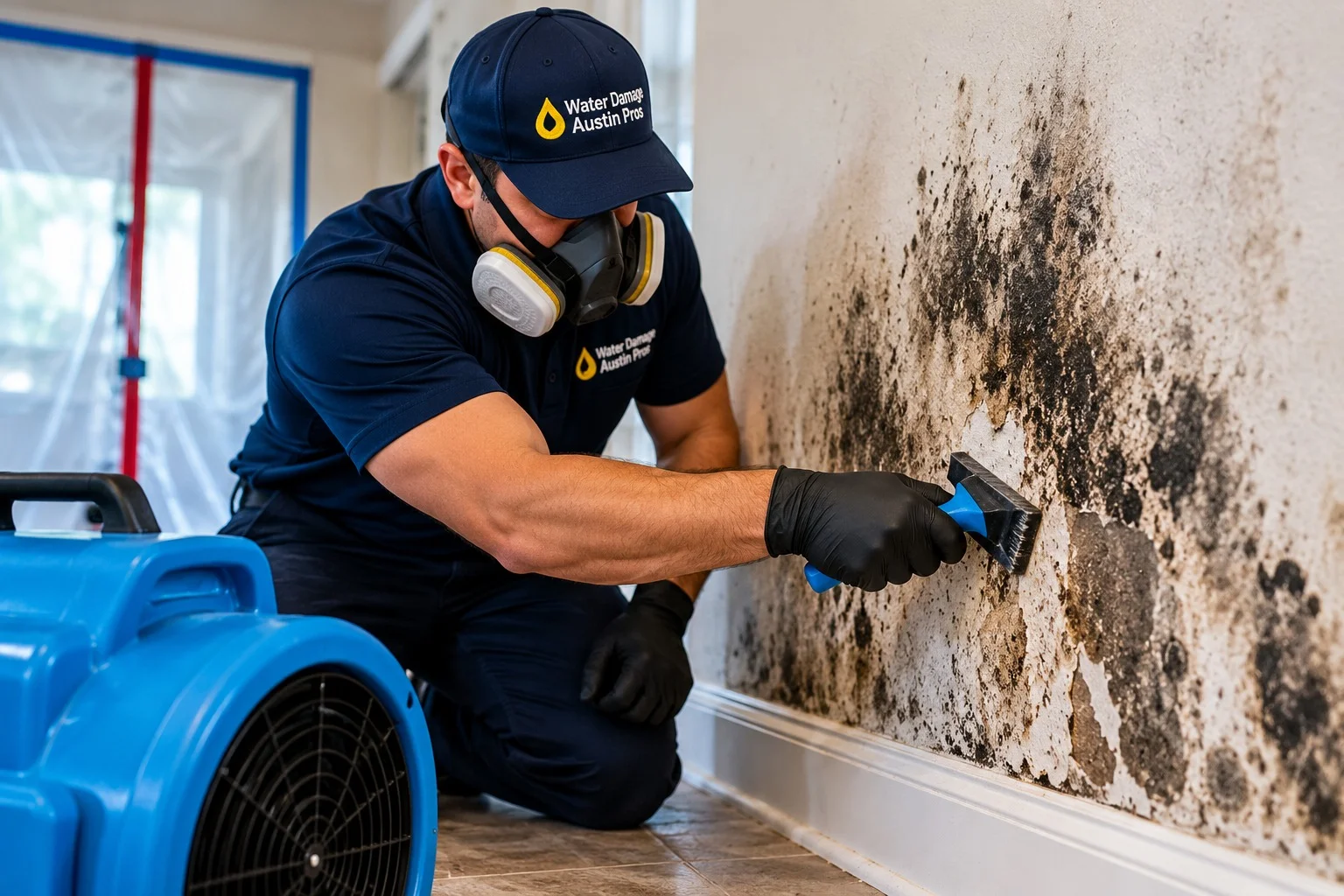
Black Mold Removal
Dark mold on drywall, baseboards or ceilings is removed under containment, with HEPA air scrubbers running so spores don’t spread to clean rooms.
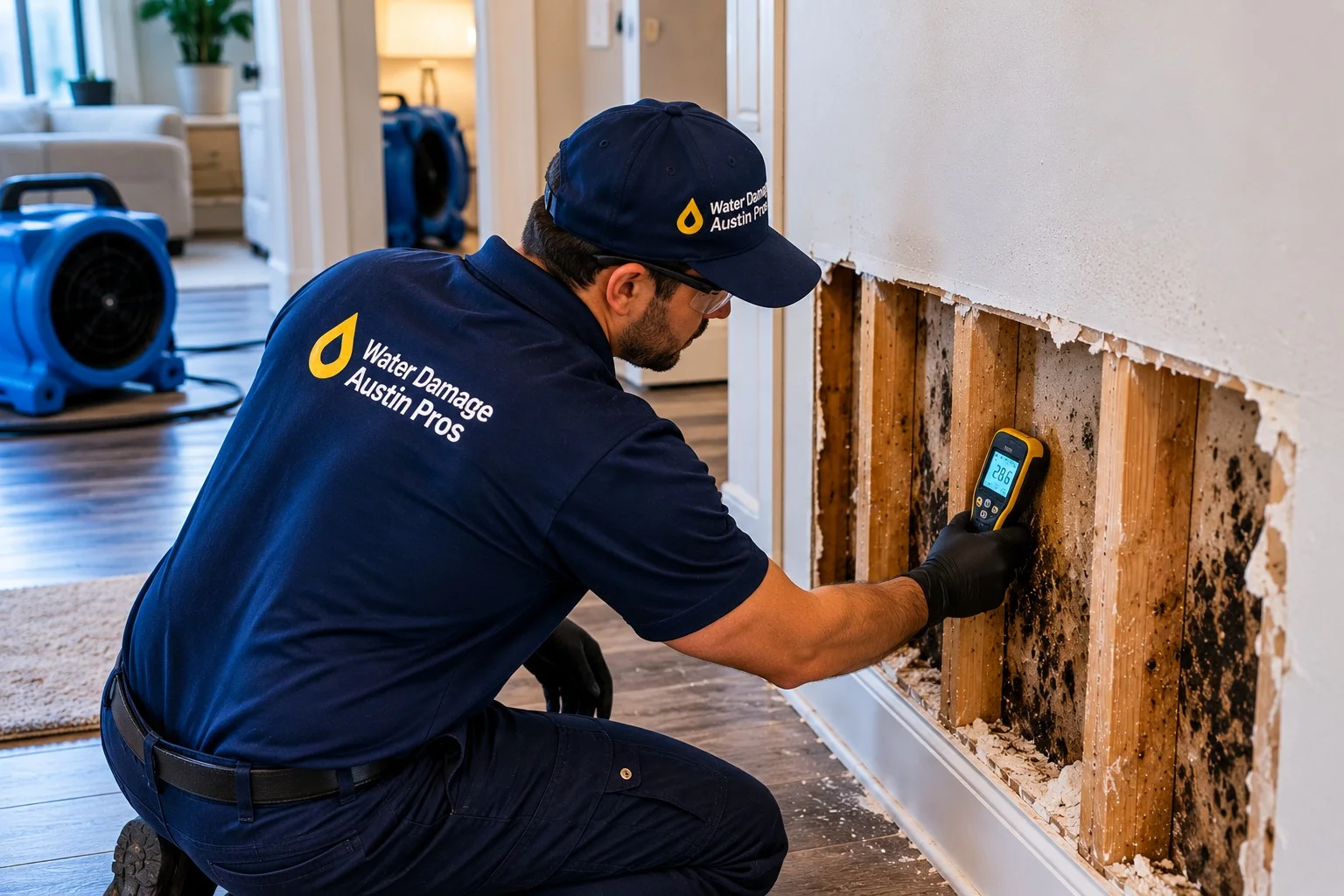
Mold in Walls and Drywall
Musty odors and soft drywall often mean mold inside the wall cavity. Affected drywall and insulation are cut out, cleaned behind and treated.
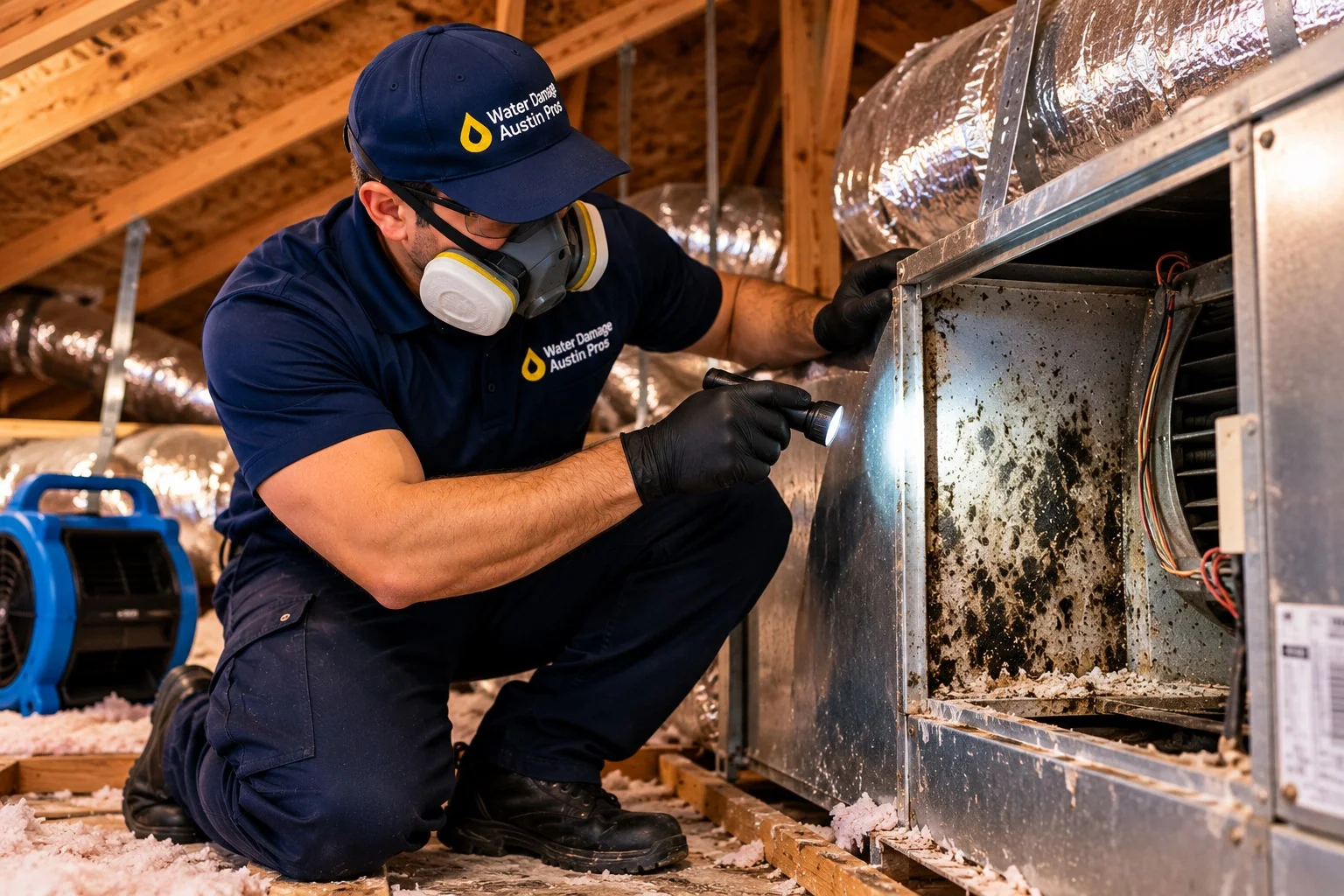
Attic and HVAC Mold
Hot, humid attics and sweating AC ducts are prime spots for growth. We clean framing and decking and address mold in air handlers and ducts.
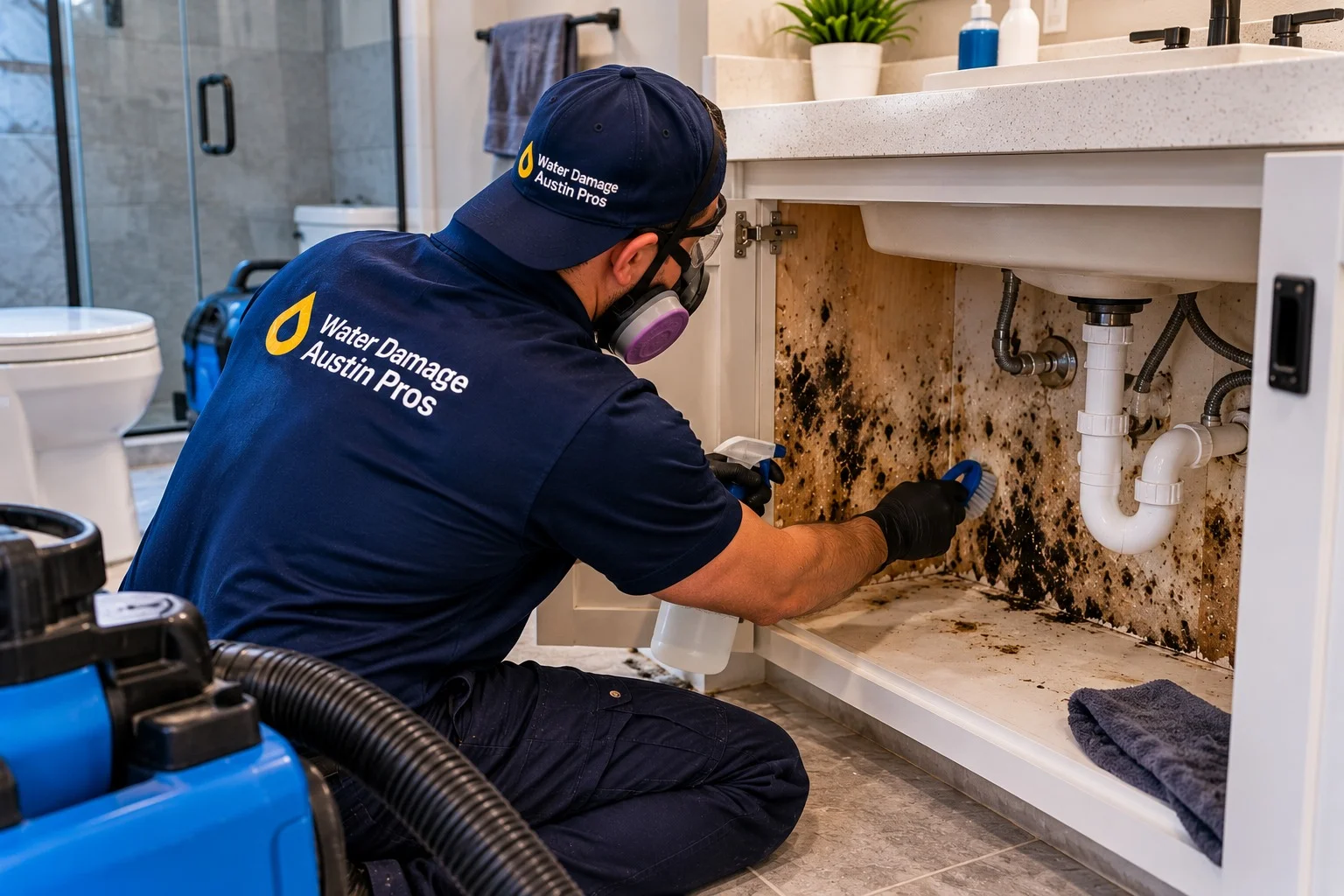
Bathroom and Under-Sink Mold
Slow leaks under sinks and behind showers feed mold for months. We remove damaged cabinets, flooring and drywall and dry the area out.
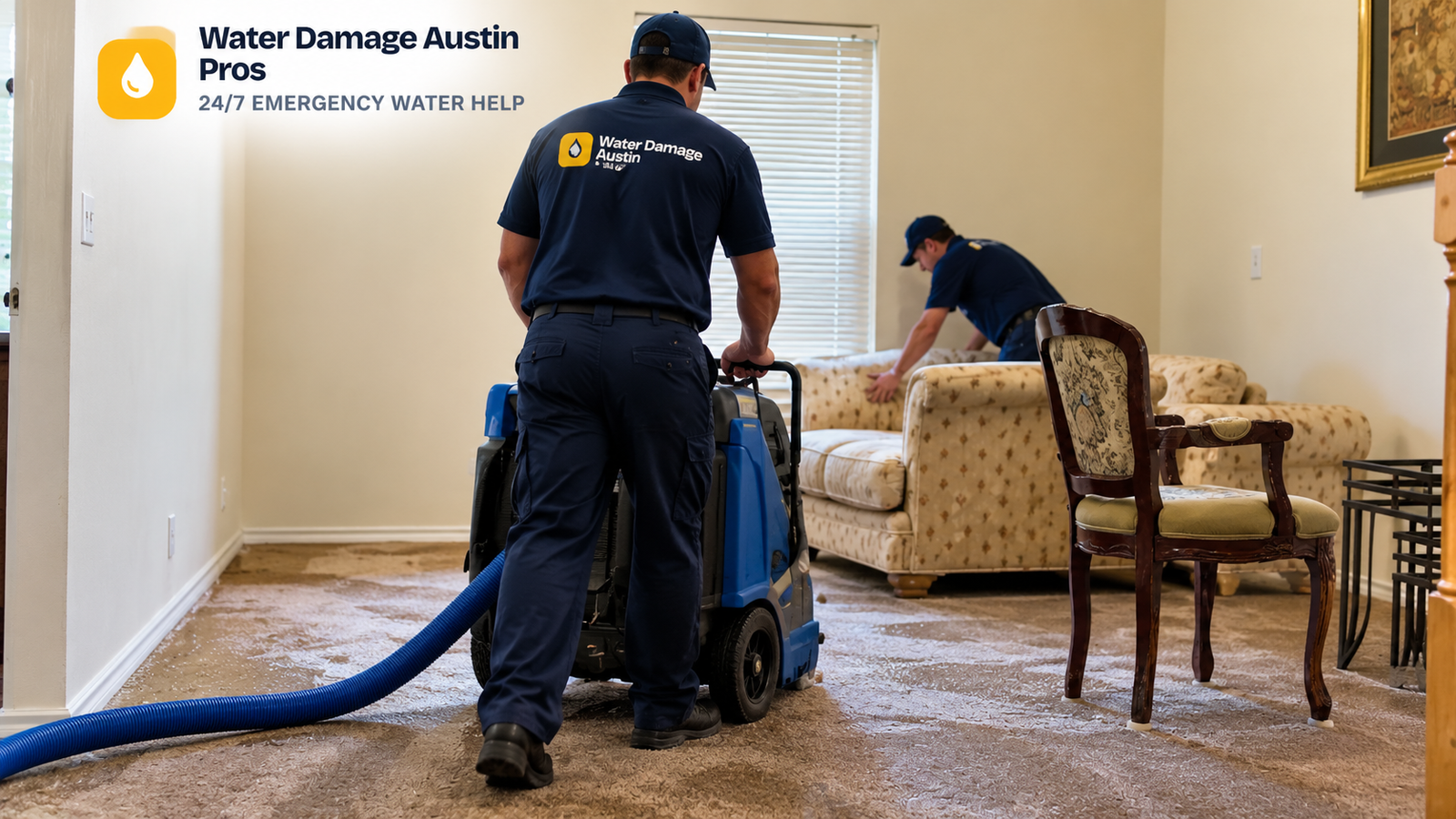
Why Austin Homeowners Trust Us With Mold Removal
Bleach and a coat of paint can make mold disappear for a few weeks. Then it returns, because the roots in porous materials and the moisture feeding them were never dealt with. Proper remediation follows the IICRC S520 mold standard: contain the area, physically remove contaminated materials, clean what remains and correct the moisture source.
- A real person answers every call, day or night
- Containment barriers and negative air to protect clean rooms
- HEPA air scrubbers and HEPA vacuums throughout
- Contaminated materials removed, not painted over
- Work that follows the IICRC S520 mold standard
- The moisture source found and fixed so mold does not return
Our Austin Mold Removal Process
Your Call Gets Answered
Tell us where you see mold, how big the area is and whether there’s been a leak. We’ll give you an arrival window and tell you what to avoid touching.
Assessment and Protocol
Moisture meters and thermal imaging find the water source. For areas of 25 contiguous square feet or more, a licensed mold assessor writes the remediation protocol first.
Containment and Removal
Plastic containment and negative air pressure isolate the work area. Contaminated drywall, insulation and flooring are removed and surfaces are HEPA vacuumed and cleaned.
Drying, Clearance and Prevention
The area is dried, the moisture source is corrected and a clearance assessment confirms the job passed before containment comes down.
Why Mold Remediation in Austin Can’t Wait
Austin’s long, humid summers give mold everything it needs. Indoor humidity climbs whenever an AC system is undersized or short-cycling, and condensation forms on cold ducts, vents and windows. Clogged condensate lines overflow into drain pans and drywall, often for weeks before anyone notices.
Attics are another problem spot. Summer attic temperatures soar, and any roof leak, bathroom fan venting into the attic or sweating duct adds moisture to hot framing and decking, where mold spreads fast and out of sight.
Water events finish the job. Slab leaks soak the bottom of walls from below, flash floods push water into homes near creeks, and leftover moisture from burst pipes can sit inside wall cavities. Wet materials that aren’t dried within 24 to 48 hours are where most mold problems start.
Mold Testing and Inspection in Austin: What Texas Law Requires
Texas regulates mold work more strictly than most states. Under the Texas Mold Assessment and Remediation Rules, enforced by the Texas Department of Licensing and Regulation (TDLR), companies that remediate mold must be licensed.
For mold covering 25 contiguous square feet or more, a licensed mold assessor inspects the home, tests if needed and writes a remediation protocol before removal begins. To prevent conflicts of interest, the same licensee can’t perform both the assessment and the remediation on one project.
After the work is done, the assessor performs a clearance assessment. When the job passes, the homeowner receives a Certificate of Mold Damage Remediation, a document worth keeping if you ever sell the house or file an insurance claim.
Black Mold Removal: What Austin Homeowners Should Know
“Black mold” usually refers to Stachybotrys chartarum, a greenish-black mold that grows on drywall, paper and wood that has stayed wet for a long time. Plenty of harmless molds are dark too, so color alone doesn’t tell you what you have.
The CDC’s guidance is that it isn’t necessary to identify the type of mold before removing it. Any indoor mold growth should be removed and the moisture causing it fixed. Common reactions include sneezing, coughing, congestion and eye irritation, and mold can worsen asthma.
Whatever the species, the method is the same: contain the area, remove contaminated porous materials, clean hard surfaces and correct the moisture source so it can’t grow back.
What to Do If You Find Mold at Home
Don’t scrub, scrape or spray mold with bleach. Disturbing it releases spores into the air, and bleach doesn’t reach roots inside drywall or wood.
If mold is near vents or you suspect it’s in the ductwork, keep the HVAC system off so spores aren’t spread to other rooms. Keep children, older adults and anyone with asthma or allergies away from the affected area.
If there’s an active leak, stop it at the source and dry what you safely can. Take photos of the mold and any water damage before anything is moved or thrown out.
Mold Removal and Your Insurance Claim
Many Texas homeowner policies limit or exclude mold coverage, but mold that results from a sudden, covered water loss, like a burst pipe or a failed water heater, is often handled as part of that claim. Mold from long-term leaks or humidity usually isn’t.
We record photos, moisture readings and a room-by-room scope of work from the first visit, so your adjuster can see how the mold relates to the water damage behind it. Your policy decides what’s covered, but complete records make the claim far easier to settle.
Mold Removal Across the Austin Area
Mold doesn’t stop spreading on weekends, and neither do our crews. We respond across Austin and nearby areas, including:
A Local Mold Remediation Company Serving Austin
When you find mold, the last thing you need is a call center in another state. Our crews work Austin homes every week and know what attic mold in a Steiner Ranch two-story needs compared with a slow under-sink leak in a Hyde Park bungalow.
- Phones answered every hour of every day
- Containment set up before removal starts
- Inspection before any work begins
What Austin Homeowners Say After Mold Removal
We found black mold spreading behind our bathroom wall after a slow pipe leak. Their team sealed off the area, removed all the affected drywall, and treated everything with antimicrobial solution. They showed us the moisture readings before and after. Our air quality feels so much better now.
My wife started having allergy issues and we discovered mold in our attic from a roof leak. The crew was thorough – they found mold we didn’t even know about, removed it safely with proper containment, and explained how to prevent it coming back. Very professional from start to finish.
After the flooding, mold started growing behind our walls within days. They responded quickly, set up dehumidifiers, removed all contaminated materials, and did a full HEPA cleaning. They even helped with the insurance documentation. I finally feel safe in my home again.
Mold Remediation Questions From Austin Homeowners
Yes. Mold removal usually means cleaning visible growth. Mold remediation is the full process: containing the area, removing contaminated materials, cleaning what remains and fixing the moisture source so mold doesn’t return. Mold spores exist everywhere naturally, so the goal is to bring growth back to normal levels.
It depends on how much area is affected, where the mold is, what materials need to be removed and whether a licensed assessor’s protocol is required. A small area under a sink is a very different job than mold through an attic. Call and describe what you’re seeing, and we’ll explain what your situation involves.
Sometimes. Many Texas policies limit mold coverage, but mold caused by a sudden, covered water loss is often included in that claim. Mold from long-term leaks or humidity usually isn’t. Your policy and adjuster make the final call, and good documentation helps.
Not always. If mold is visible, the CDC says you don’t need to test to identify the type before removing it. In Texas, areas of 25 contiguous square feet or more require a licensed assessor’s protocol, and testing may be part of that assessment.
Small areas on hard, non-porous surfaces can often be cleaned by a homeowner with proper protection. Mold on drywall, insulation or carpet, mold in ducts, or anything larger than a small patch should be handled with containment and HEPA filtration so spores don’t spread.
Small projects can take one to three days. Larger jobs with containment, material removal, drying and clearance testing can take a week or more. Containment stays up until the area passes clearance, not on a fixed schedule.
Other Restoration Services Across Austin
Mold usually starts with water. These are the other services our crews handle.
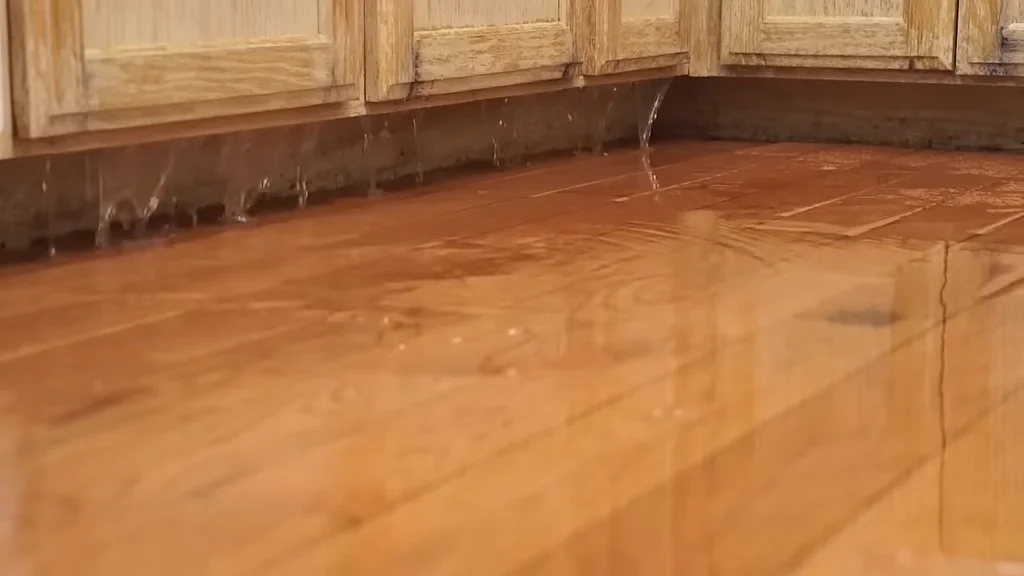
Water Damage Restoration
Burst pipes, appliance leaks and storm flooding all end the same way: water in your walls and floors. We extract it, dry the structure and repair what’s damaged.
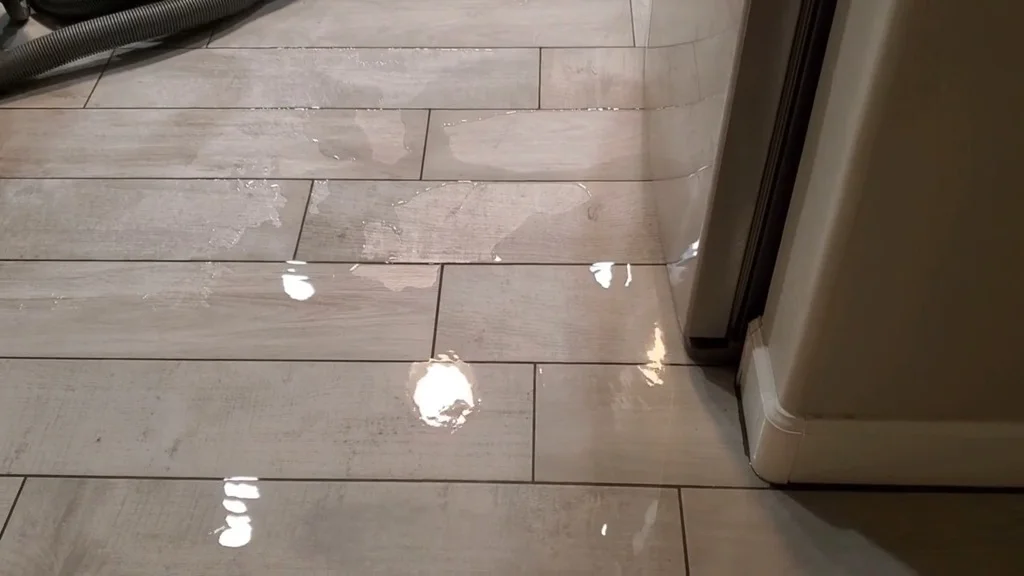
Emergency Water Extraction
Standing water does its worst damage in the first few hours. Truck-mounted extractors pull it out of carpet, pad and subfloor before it spreads.
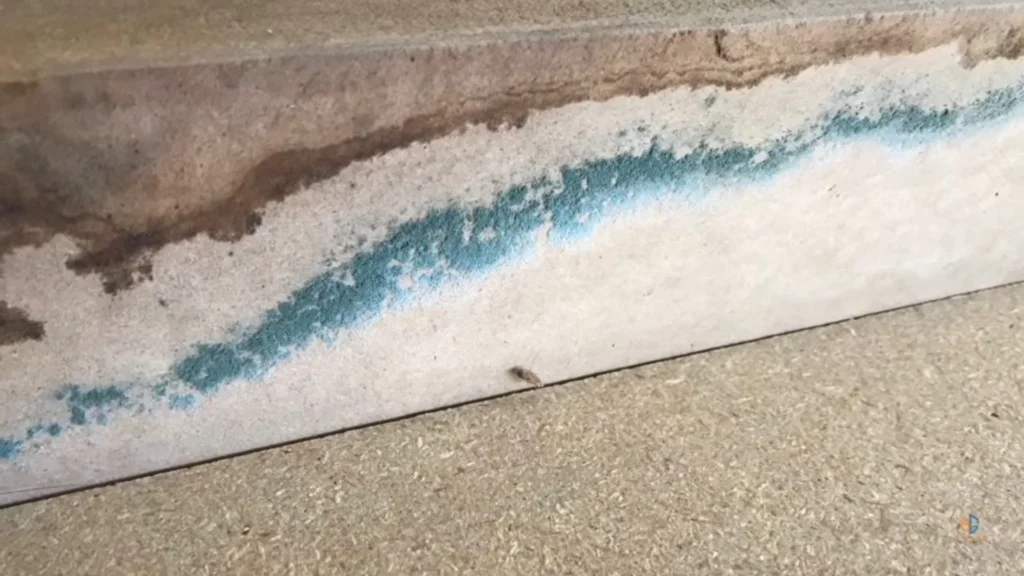
Mold Remediation
Mold can start growing within 24 to 48 hours of a leak. We contain it, remove it with HEPA filtration and fix the moisture behind it so it doesn’t come back.
Fire Damage Restoration
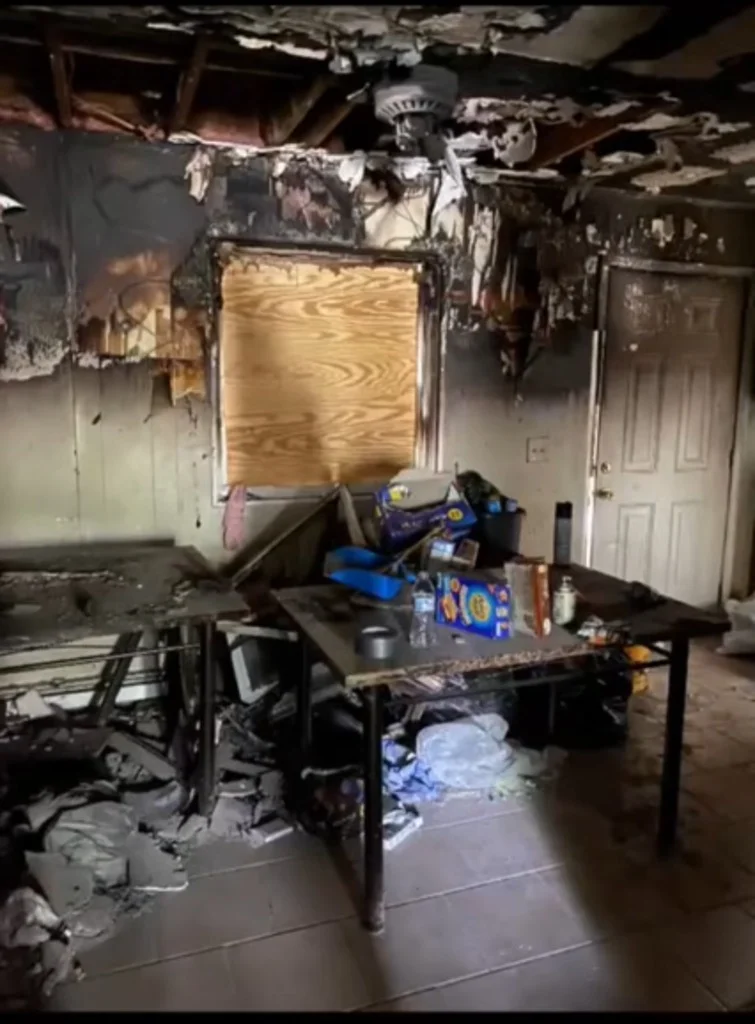
The fire gets the headlines, but smoke, soot and the water used to put it out often do just as much harm. We clean, deodorize and restore what’s left.
Mold Keeps Spreading Until the Moisture Is Gone
Every day mold sits, it releases more spores and works deeper into drywall, wood and insulation. Call now for mold remediation in Austin and get a crew started today.