Water Extraction Austin TX - 24/7 Emergency Water Removal
Water extraction in Austin can’t wait until morning. Every hour standing water sits, it soaks deeper into carpet pad, subfloor, baseboards and drywall. Our crew arrives with truck-mounted and portable extractors to pull the water out fast, find what’s hiding under floors and behind walls, and stop the damage before it spreads.
Water Extraction Services for Austin Homes and Businesses
Standing water is only the part you can see. Here’s what our crews remove, from the surface down to the subfloor.
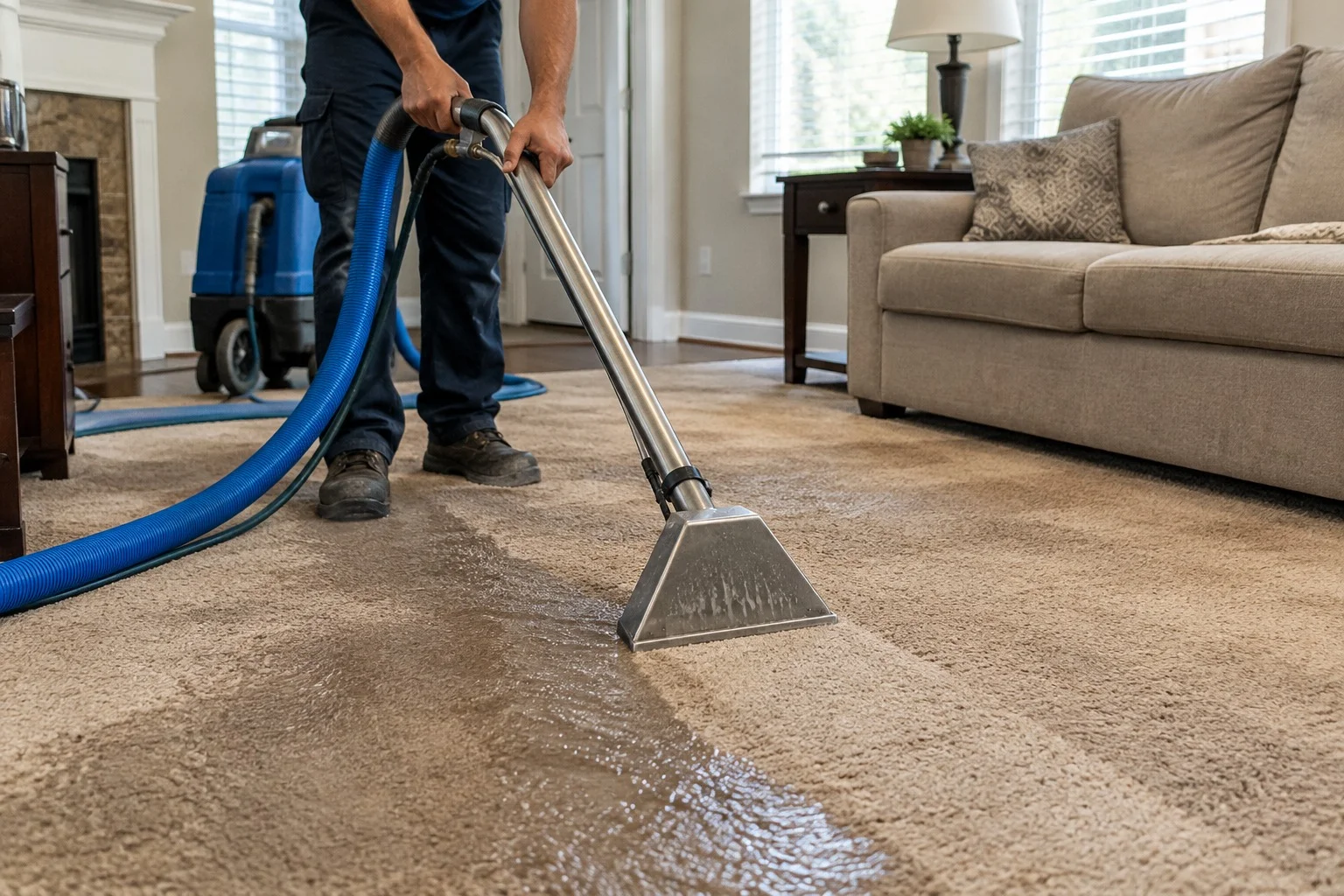
Carpet Water Extraction
Weighted extraction tools press water out of carpet and pad, not just the surface. Done fast, most clean-water carpet can be dried in place and saved.
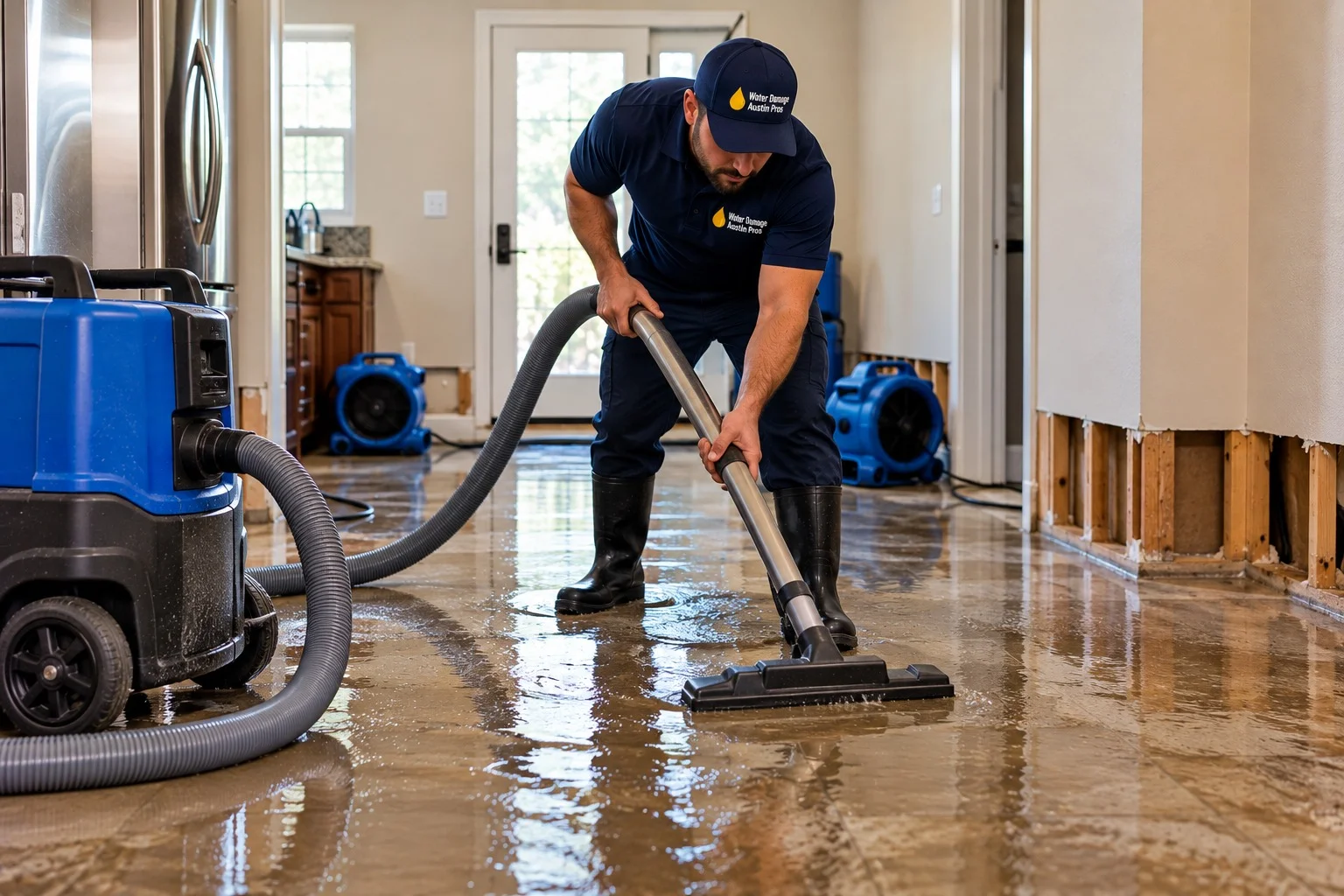
Standing Water Removal
Submersible pumps and truck-mounted units clear standing water from rooms, garages and slab floors quickly, so drying can start the same visit.

Subfloor and Hidden Water
Water runs under tile, laminate and baseboards. Moisture meters and thermal imaging find it, and wall cavity drying systems reach what extractors can’t.
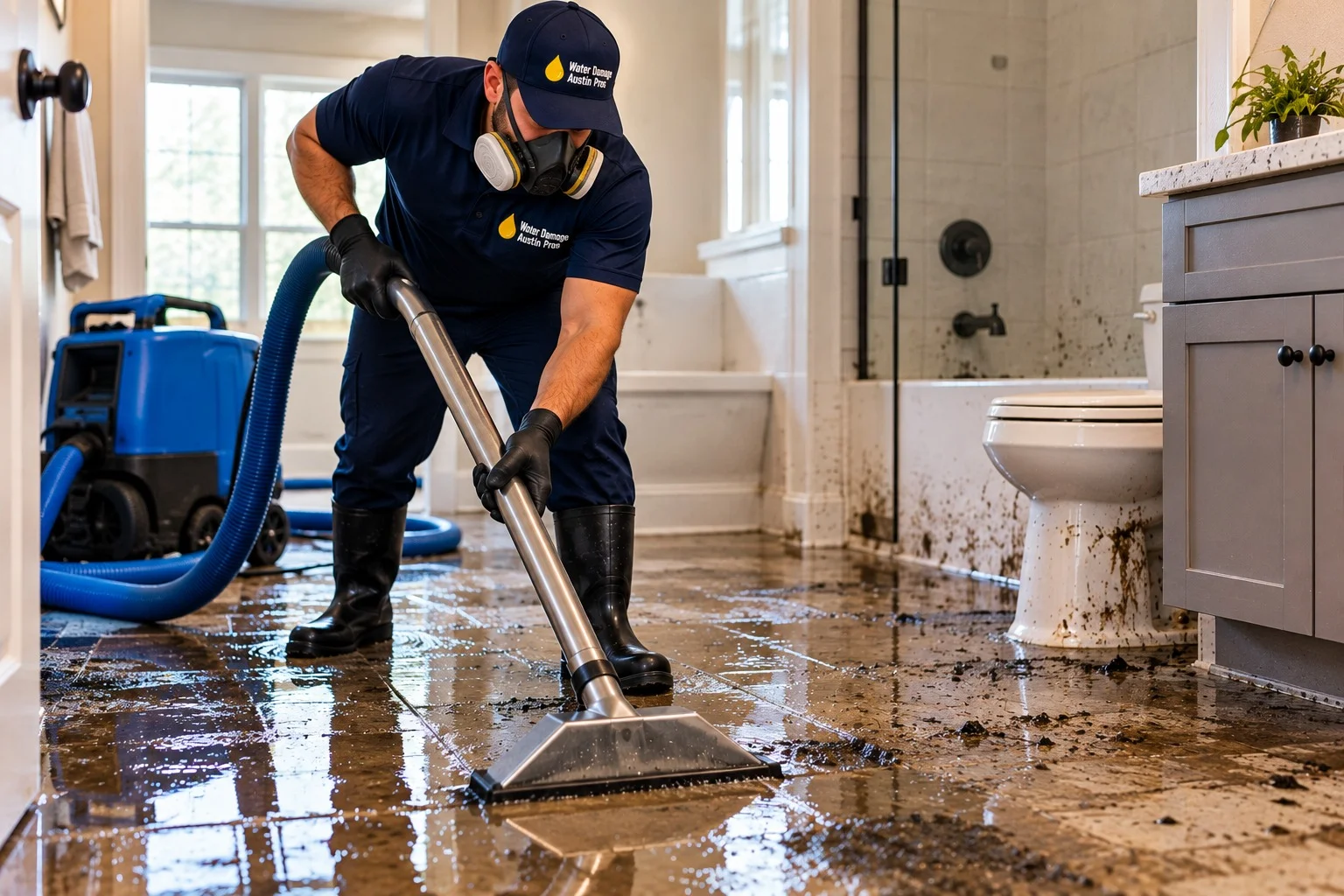
Sewage and Gray Water Extraction
Toilet overflows and sewage backups need extraction in protective gear, removal of soaked materials and antimicrobial treatment before drying.
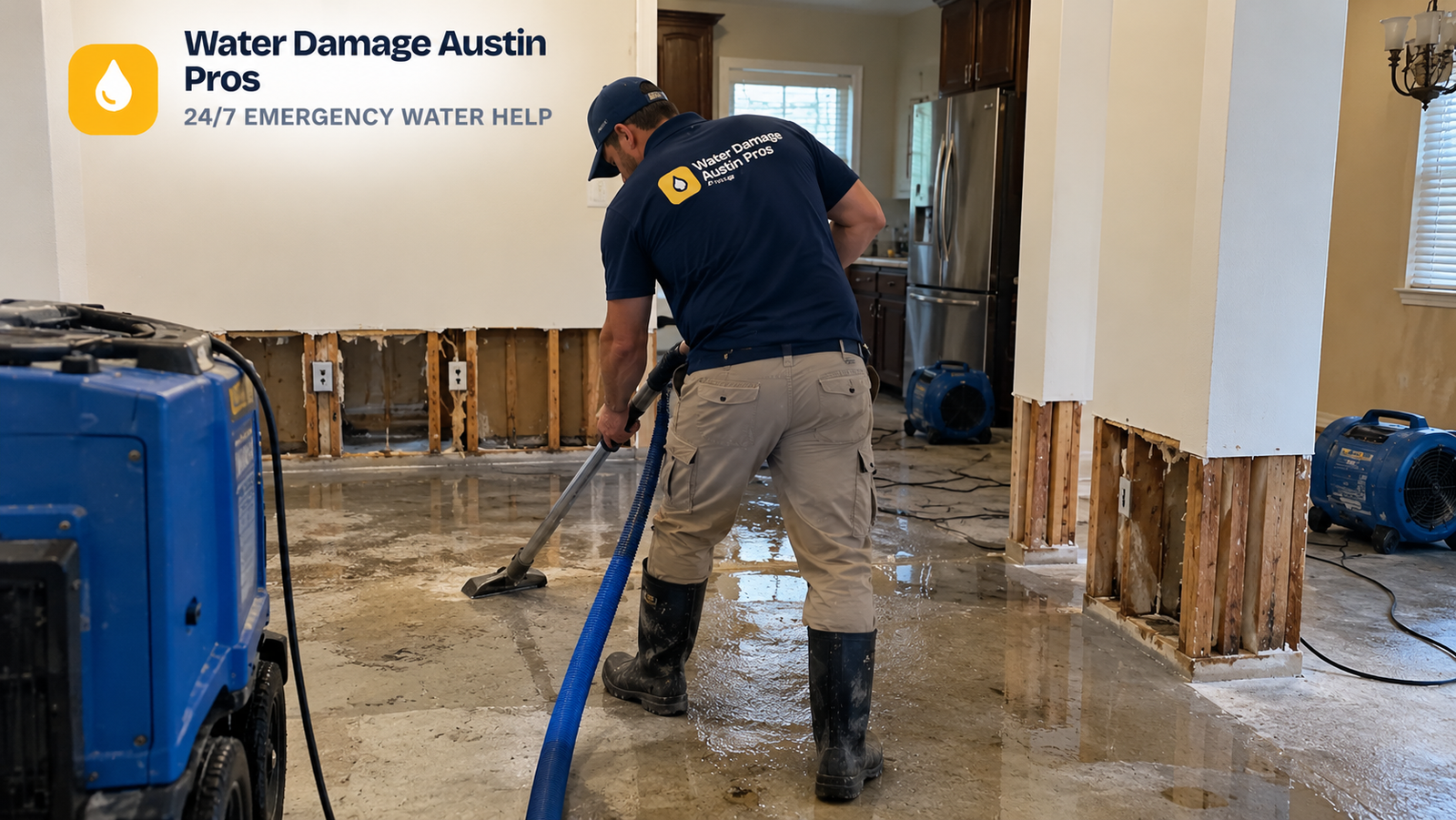
Why Austin Homeowners Call Us First for Water Removal
A wet-vac and a few box fans can make a floor look dry by the next morning. Underneath, the carpet pad, subfloor and bottom of the drywall can still be holding gallons of water. Proper extraction follows the IICRC S500 standard: remove as much water as possible mechanically, measure where moisture traveled, and only then set up drying equipment.
- A real person answers every call, day or night
- Truck-mounted extractors with far more suction than rental units
- Weighted extraction for carpet and pad, not just surface water
- Moisture meters and thermal imaging to find hidden water
- Work that follows the IICRC S500 water damage standard
- Photos and moisture readings recorded for your insurance claim
Our Austin Water Removal Process
Your Call Gets a Crew Moving
Tell us where the water came from and how long it’s been there. We’ll give you an arrival window and tell you how to stop the source if it’s still running.
Inspection and Moisture Mapping
The crew identifies the water category and uses moisture meters and thermal imaging to map how far water traveled under flooring and into walls.
Emergency Water Extraction
Submersible pumps clear standing water, then truck-mounted and weighted extractors pull water from carpet, pad and hard floors. Unsalvageable pad is removed.
Drying Setup and Monitoring
Air movers and LGR dehumidifiers are placed based on the drying class, and moisture is checked daily until readings confirm the structure is dry.
Why Water Extraction in Austin Can’t Wait
Most Austin homes sit on a concrete slab, so there’s no basement or crawl space for water to drain into. It spreads sideways instead, under laminate and luxury vinyl plank, beneath tile and into the bottom of every wall it touches. The longer it sits, the more area extraction has to cover.
Many homes here also put the water heater in the attic or garage. When an attic tank fails, water comes through the ceiling and soaks insulation, drywall and the floor below at the same time. In summer, clogged AC condensate lines are another common source, overflowing drain pans quietly for days before anyone notices a stain.
Then there’s the weather. Flash flooding pushes muddy runoff through doors and garages, and hard freezes like February 2021 burst supply lines across the city. Add Austin’s humidity, and wet materials that aren’t extracted and dried quickly can start growing mold within 24 to 48 hours.
Clean, Gray or Black: How Water Type Changes Extraction
The IICRC S500 standard sorts water into three categories, and the category decides what can be saved after extraction.
Category 1 is clean water from a supply line or water heater. Carpet and pad can often be extracted and dried in place if work starts quickly.
Category 2 is gray water from a washing machine, dishwasher or toilet overflow without waste. Carpet may be saved after cleaning, but the pad is usually removed and surfaces get antimicrobial treatment.
Category 3 is black water from sewage backups and flood runoff. Carpet and pad are removed and disposed of, and extraction is done in protective gear before the area is sanitized.
How Long Can Wet Carpet and Floors Wait?
Not long. Mold spores settle on wet carpet, pad and drywall within 24 to 48 hours, and Austin’s heat speeds that up. After about two days, carpet that could have been saved often has to be replaced.
Hardwood floors start cupping as boards absorb water from below, and laminate swells at the seams. Drywall wicks water upward, so a wet floor becomes a wet wall within hours.
That’s why emergency water removal starts the same visit. Extraction removes far more water than any amount of fans or dehumidifiers can, and it cuts drying time by days.
What to Do Before Emergency Water Removal Starts
Your safety comes first. Shut off the water at the main valve if a pipe or appliance is the source, and turn off power to wet rooms at the breaker only if you can reach it without standing in water.
Lift furniture legs onto foil or plastic blocks so stains don’t transfer into wet carpet. Move rugs, electronics, papers and photos to a dry room. Don’t use a household vacuum on wet floors, and stay out of any water from a toilet or sewer line.
Take photos and video of every wet area before anything is moved or thrown out. Your adjuster will want to see the water as it was.
Water Removal and Your Insurance Claim
Sudden water damage, like a burst supply line, a failed water heater or an appliance overflow, is the kind most homeowner policies are written to cover, and that usually includes the cost of extracting and drying it. Gradual leaks and rising floodwater often fall under different coverage.
We record photos, moisture readings and a room-by-room scope of work from the first visit, so your adjuster sees exactly how far the water spread. Your policy decides what’s covered, but complete records make the claim far easier to settle.
Emergency Water Removal Across the Austin Area
Water doesn’t wait for business hours, and neither do our crews. We respond across Austin and nearby areas, including:
A Local Water Extraction Company Serving Austin
When water is spreading across your floor, the last thing you need is a call center in another state. Our crews work Austin homes every week and know what a burst attic water heater in a Travis Heights bungalow needs compared with a flooded garage in Avery Ranch.
- Phones answered every hour of every day
- Extraction starts on the first visit
- Inspection before any work begins
What Austin Homeowners Say After a Flood
Our water heater burst and left two inches of standing water across the laundry room. Their extraction team arrived within the hour with truck-mounted pumps and had all the water out the same evening. They even moved our furniture to save it. Incredible response time.
I called at 2 AM when I found water spreading across our kitchen floor from a broken supply line. They answered right away and the extraction crew was at my door before sunrise. They pulled water from under the cabinets and set up dryers the same visit. Truly 24/7 service.
After the storm, water seeped into our garage and started wicking up the drywall. Their team extracted every bit of standing water, checked moisture levels in the walls, and explained exactly what needed drying. No guesswork, just thorough professional work.
Water Extraction Questions From Austin Homeowners
Often, yes. Carpet soaked with clean water can usually be extracted and dried in place if work starts within a day or two. Carpet soaked by sewage or floodwater, or carpet that’s been wet too long, usually has to be replaced for health reasons.
It depends on the water. Pad soaked by clean water can sometimes be dried with the carpet. Pad soaked by gray or black water holds bacteria and is removed. The inspection tells you which applies before any work starts.
A shop vac picks up surface water but leaves most of the water in the pad and subfloor. Truck-mounted and weighted extractors remove far more, which is what prevents mold, odor and warped floors later.
Most homes dry in three to five days after extraction. Hardwood, plaster and a soaked slab can take longer. Equipment comes out when moisture readings confirm the structure is dry, not on a fixed schedule.
It depends on how much water there is, the water category, how many rooms are affected and what materials got wet. A single room of clean water is a very different job than a flooded house. Call and describe what happened, and we’ll explain what your situation involves.
Other Restoration Services Across Austin
Water removal is often just the first step. These are the other services our crews handle.
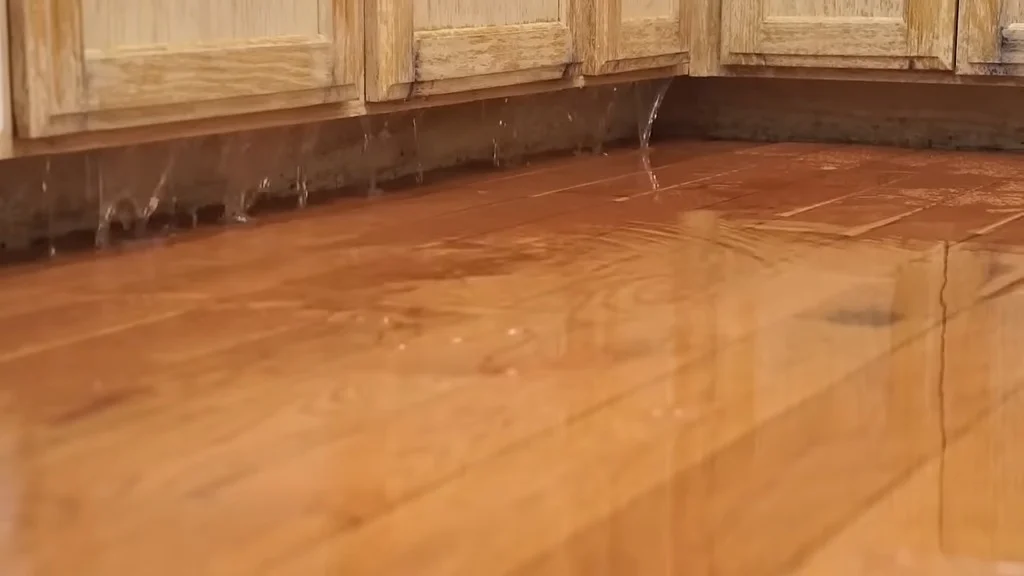
Water Damage Restoration
Burst pipes, appliance leaks and storm flooding all end the same way: water in your walls and floors. We extract it, dry the structure and repair what’s damaged.
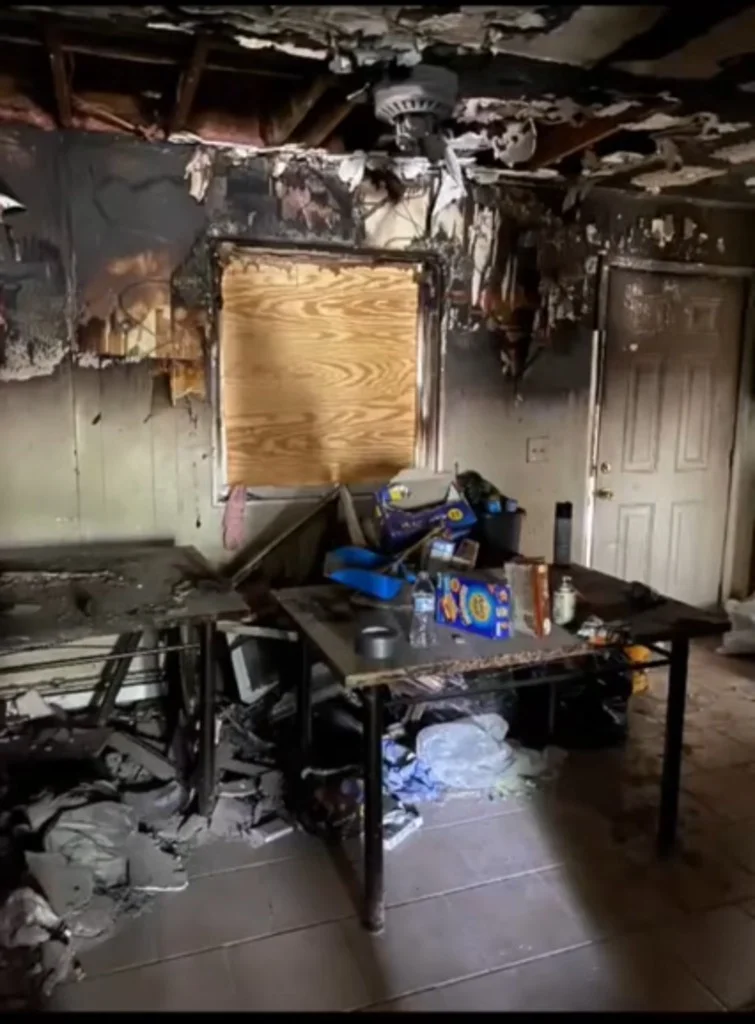
Fire Damage Restoration
The fire gets the headlines, but smoke, soot and the water used to put it out often do just as much harm. We clean, deodorize and restore what’s left.
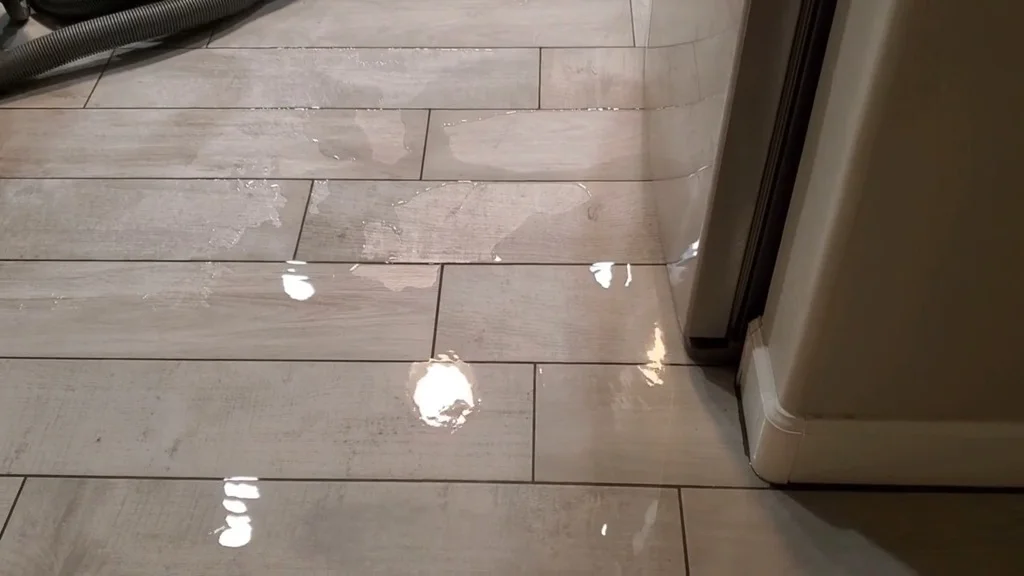
Emergency Water Extraction
Standing water does its worst damage in the first few hours. Truck-mounted extractors pull it out of carpet, pad and subfloor before it spreads.
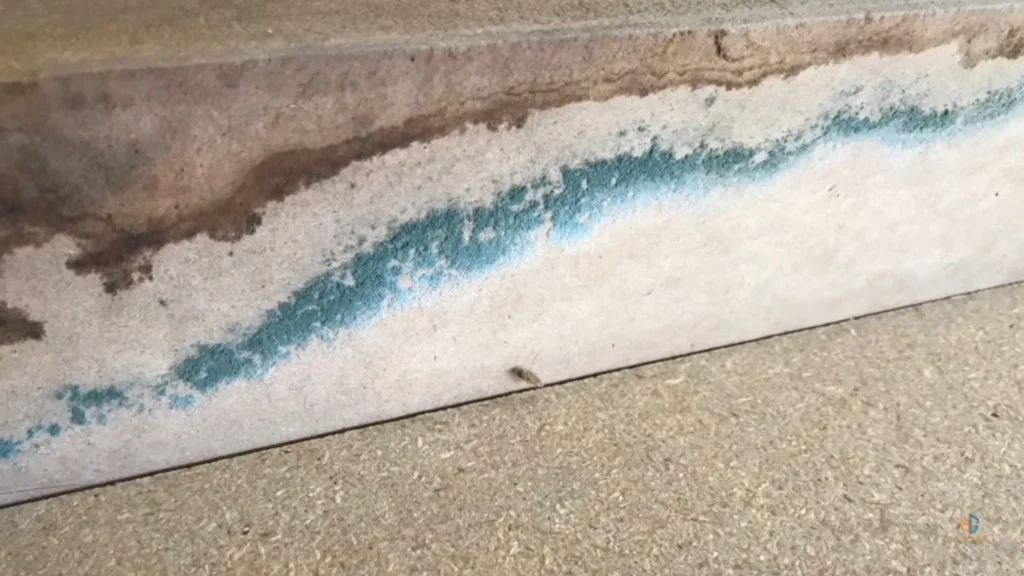
Mold Remediation
Water left behind after a leak or flood can turn into mold within 24 to 48 hours. We contain it, remove it with HEPA filtration and fix the moisture behind it.
Standing Water Keeps Soaking In Until It’s Pulled Out
Every hour water sits, it spreads further into pad, subfloor and walls. Call now for water extraction in Austin and get a crew moving today.