Water Damage Restoration Bee Cave TX - Mold Remediation
Water damage restoration in Bee Cave covers everything from Hill Country estates to newer homes near the Galleria. Whether a septic system backed up on an acreage property, a pipe burst in Falconhead or storm runoff came down the hills toward Little Barton Creek, a local crew is ready day or night to remove the water and dry your home.
Water Damage Restoration Services in Bee Cave
From burst pipes to septic backups, these four services cover the problems Bee Cave homeowners call about.
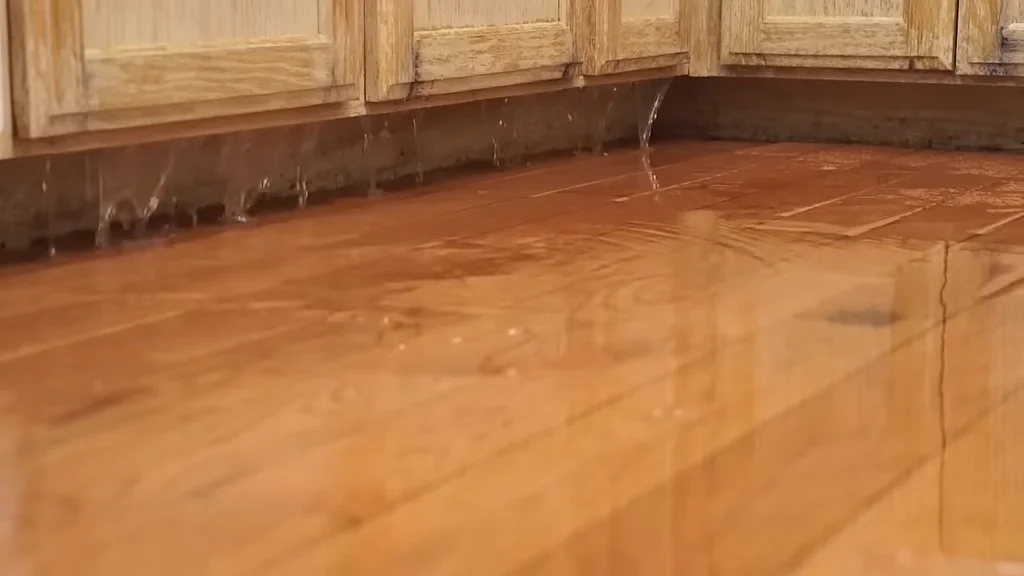
Water Damage Restoration
Leaks, storm water and appliance failures in Bee Cave homes are dried to IICRC standards, then floors, walls and trim are restored.
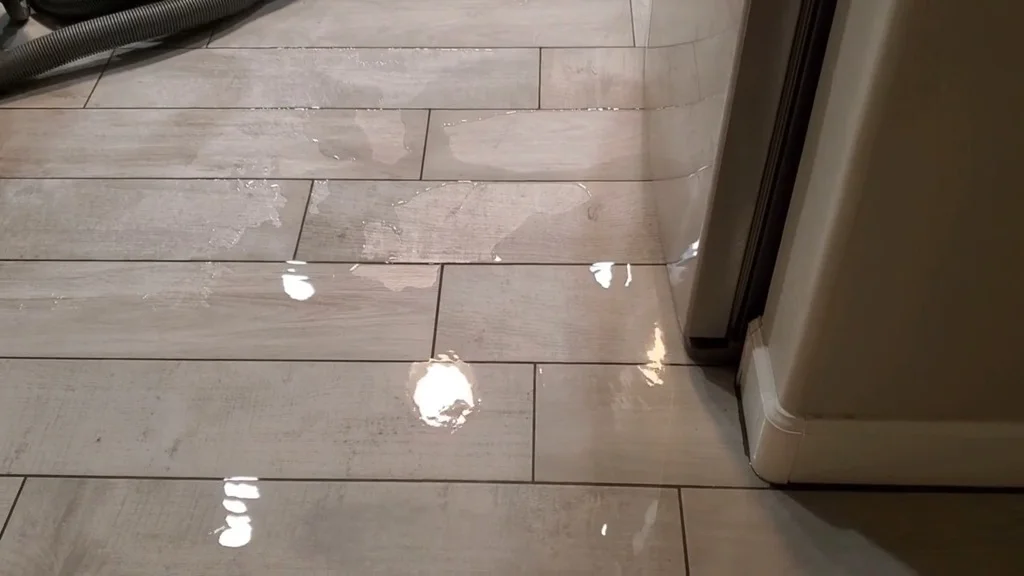
Water Extraction
Water extraction in Bee Cave clears standing water and sewage from floors and garages quickly, so drying can start the same visit.
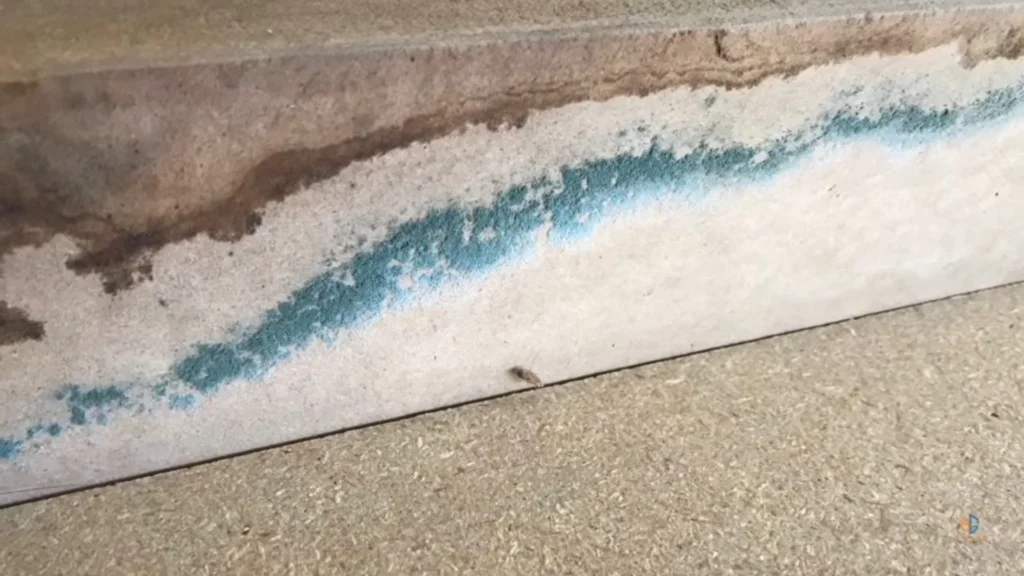
Mold Remediation
Mold remediation in Bee Cave starts with finding the moisture source. The area is contained, mold removal is done under HEPA filtration and surfaces are treated.
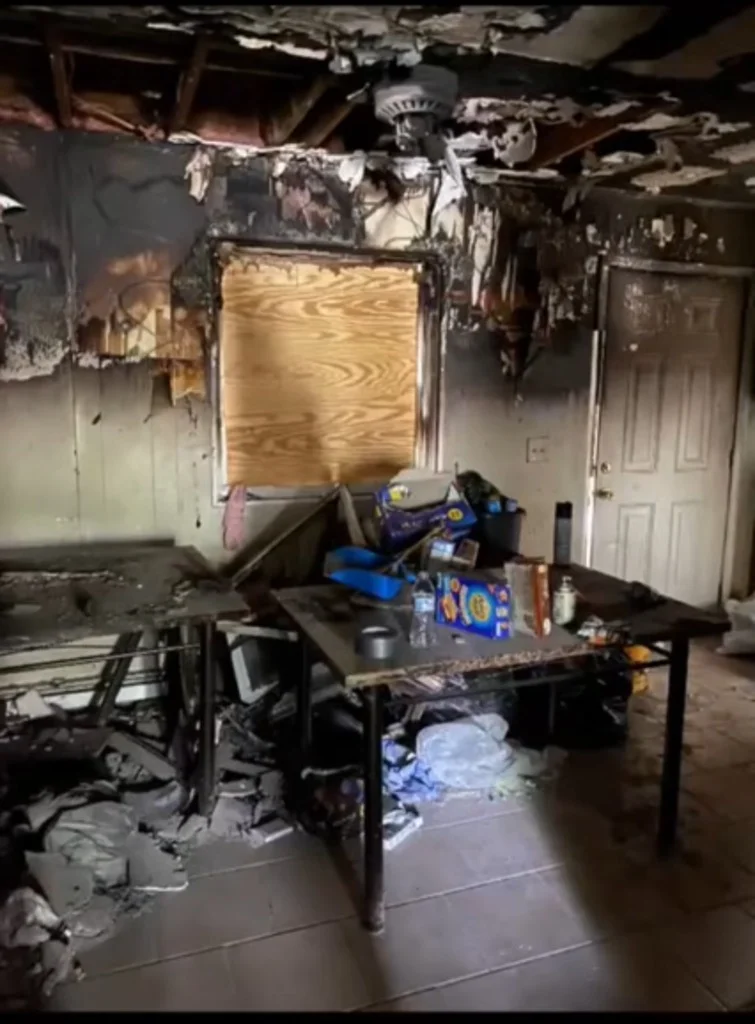
Fire Damage Restoration
Smoke odor, soot and firefighting water are cleaned up so your Bee Cave home is safe and livable again.
Septic Backup Cleanup for Bee Cave Acreage Homes
Beyond the shopping centers and newer subdivisions, many Bee Cave acreage properties still run on private wells and septic systems. When a septic tank fills, a line clogs or heavy rain saturates the drain field, wastewater can back up through floor drains, tubs and toilets.
Septic backup is Category 3 black water. It carries bacteria and other pathogens, so it should never be cleaned up with a mop and household cleaners. Crews in protective gear extract the wastewater, remove soaked carpet, pad and lower drywall, and sanitize every affected surface before drying.
Keep everyone, including pets, out of affected rooms and avoid using sinks, toilets or the washer until the system is checked. The septic system itself will need service separately, while the cleanup and drying inside your home start right away.
Why Water Damage in Bee Cave Takes Local Know-How
Bee Cave sits in the Texas Hill Country along SH 71 and RR 620, where homes range from large custom builds in Spanish Oaks and Lake Pointe to established neighborhoods like Falconhead and The Homestead. Most are built on slabs over limestone, so leaks spread under flooring instead of draining away.
Water service here comes from the West Travis County Public Utility Agency, which serves western Travis and northern Hays counties. During dry summers, WTCPUA limits outdoor watering, and long hot stretches put extra strain on irrigation lines, pool equipment and AC condensate systems, all common sources of slow leaks.
Large homes bring their own risks: long plumbing runs, multiple water heaters, second-floor laundry rooms and big attic spaces where ducts and drain pans sit out of sight. A small drip in one of those places can spread across several rooms before it’s noticed, and mold can follow within 24 to 48 hours.
How Bee Cave Water Damage Gets Handled
You Call, We Respond
Tell us what happened at your Bee Cave home. You’ll get an arrival window and simple steps to keep the damage from spreading.
Check the Whole House
Thermal imaging and moisture meters check every level, including attics, utility rooms and spaces behind cabinets.
Clean Out the Water
Clean water, storm water or sewage is extracted, unsalvageable materials are removed and drying equipment goes in.
Dry and Restore
The structure is dried to target readings, treated to prevent mold, and walls, floors and trim are repaired.
Storm Runoff and Little Barton Creek
Bee Cave’s hills and limestone soil don’t absorb much rain, so heavy storms send water racing downhill toward Little Barton Creek, Barton Creek and the low spots in between. Driveways, retaining walls and patios on sloped lots can channel that runoff right toward garage doors and back entries.
Downstream, NOAA’s flood guidance for Barton Creek at SH 71 warns of major lowland flooding in the floodplain below the highway when the creek runs high. Homes near creek crossings and low-water areas around Bee Cave can take on water quickly in a single storm.
Storm water that gets inside is treated as Category 3. Photograph the damage, stay out of the water and call for extraction. Soaked materials are removed, the area is sanitized and drying equipment runs until readings confirm the structure is dry.
Bee Cave Neighborhoods We Serve
Crews cover Bee Cave zip codes 78738 and 78733, from the Hill Country Galleria and Bee Cave Parkway to homes off SH 71, RR 620 and Hamilton Pool Road.
Other Areas We Serve Near Bee Cave
Crews also cover these communities and neighborhoods across the Austin area, with the same 24/7 response.
Bee Cave Homeowners Share Their Experience
We live in Bee Cave and had a pipe burst in our kitchen last month. The team got to our house quickly despite the hill country traffic. They handled everything from water removal to drying. Really glad we found a local company that knows the area.
Our Bee Cave home had water damage after the heavy rains. The crew was professional and explained every step. They worked around our schedule and got everything dried out fast. The attention to detail was impressive.
Found water under our floors here in Bee Cave and panicked. These guys came out the same day, found the source, and had it all cleaned up within two days. Great communication throughout. Highly recommend for anyone in the Bee Cave area.
Water Damage Questions From Bee Cave Homeowners
Yes. Septic and sewage backups are Category 3 water. Crews extract the wastewater, remove soaked materials and sanitize affected areas before drying. The septic system itself will need to be serviced separately.
Sloped lots in Bee Cave send runoff downhill fast, and patios, driveways and retaining walls can channel it toward doors and lower walls. If water gets inside, have it extracted and dried quickly to avoid mold.
Zip codes 78738 and 78733, including Falconhead, Spanish Oaks, The Homestead, Ladera, Lake Pointe, The Grove and acreage properties along Hamilton Pool Road.
Yes. Big attics, utility rooms and long plumbing runs give leaks plenty of places to hide. A musty smell, stained ceiling or warped baseboard is worth checking for hidden moisture.
Get Water Out of Your Bee Cave Home Today
Water keeps spreading until it’s removed. Call now for water damage restoration in Bee Cave and get a local crew started.