Mold Remediation Cost in Austin: 2026 Price Guide
Mold remediation in Austin typically costs a few thousand dollars, but the real number depends on how much mold you have, where it’s growing and what Texas law requires for the job. This guide breaks down national and Austin-area prices, the factors that move the cost up or down, and how to avoid paying more than you need to.
How Much Does Mold Remediation Cost?
Nationally, mold remediation costs an average of about $2,368, and most professionals charge around $10 to $25 per square foot of affected area, based on published industry cost data. In Austin, the same data puts the average higher, at about $3,509, with most jobs ranging from roughly $1,433 to $6,000 or more.
A small patch under a bathroom sink sits at the low end. Mold that has spread through an attic, inside walls or into HVAC ductwork can cost well above the average, especially when drywall, insulation or flooring has to be removed.
In this guide:
Mold Remediation Cost at a Glance
These figures come from published national and Austin-area cost data. Treat them as planning estimates, not quotes. Every home and every mold problem is different.
| Item | Typical Cost |
|---|---|
| National average | About $2,368 |
| Austin average | About $3,509 |
| Austin typical range | $1,433 to $6,000+ |
| Per square foot of affected area | $10 to $25 |
| Mold inspection or testing, homes up to 2,500 sq ft (Austin-area provider) | $250 to $400 |
Small, accessible jobs usually come in under the average. Large or hidden growth, contaminated HVAC systems and jobs that require removing and replacing building materials push the cost higher.
Mold Remediation Cost by Square Footage
Because most companies price by the affected area, size is the biggest single factor. Using the common $10 to $25 per square foot range, here’s roughly how cost scales:
| Affected Area | Estimated Cost Range |
|---|---|
| 10 sq ft (small patch) | $100 to $250, though most companies have a minimum job charge |
| 25 sq ft | $250 to $625, plus Texas assessment costs |
| 50 sq ft | $500 to $1,250 |
| 100 sq ft | $1,000 to $2,500 |
| 200 sq ft | $2,000 to $5,000 |
These are estimates based on the per-square-foot range alone. They don’t include rebuilding drywall, flooring or cabinets after removal, which is often priced separately.
The 25-square-foot mark matters in Texas. Once mold covers 25 contiguous square feet or more, state rules require a licensed mold assessor to be involved, which adds to the total cost. More on that next.
Need a Mold Remediation Estimate in Austin?
Describe what you’re seeing and where, and a local crew can explain what your situation involves. Call any time, day or night.
Texas Mold Assessment and Testing Costs
Texas regulates mold work more strictly than most states. The Texas Department of Licensing and Regulation (TDLR) licenses mold assessors and remediators, and that affects what you pay.
When an assessor is required
For mold covering 25 contiguous square feet or more, a licensed mold assessor must inspect the home and write a remediation protocol before work starts. After remediation, the assessor performs a clearance assessment. To prevent conflicts of interest, the same licensee can’t do both the assessment and the remediation on one project.
What assessment and testing cost
One Austin-area testing company lists $250 to $400 for a visual inspection of homes up to 2,500 square feet, with lab sampling and larger homes costing more. Plan on paying for both the initial assessment and a post-remediation clearance assessment on larger jobs.
Certificate of Mold Damage Remediation
When a job passes clearance, the homeowner receives a Certificate of Mold Damage Remediation. Keep it. It’s useful if you sell the home or file an insurance claim.
What Affects Mold Remediation and Mold Removal Cost
Size of the affected area
More square footage means more containment, more material removal and more labor.
Location in the home
Mold on an exposed bathroom wall is easier to reach than mold inside wall cavities, under flooring, in an attic or inside HVAC ducts. Hard-to-reach areas take longer and often require opening up walls or ceilings.
Attic Mold Remediation Cost
Attic mold is common in Austin, where summer heat and humidity meet roof leaks, bathroom fans venting into the attic and sweating AC ducts. Attic jobs often cost more than a single wall because the mold is spread across roof decking and framing, the space is tight and hot, and insulation may need to be removed and replaced.
Materials affected
Porous materials like drywall, insulation, carpet and ceiling tiles usually have to be removed and replaced. Hard surfaces like metal, glass and sealed wood can often be cleaned in place.
The moisture source
Mold always has a water source behind it: a slow plumbing leak, an AC condensate overflow, a roof leak or high humidity. If water damage restoration, dehumidifiers or structural drying are needed first, that adds to the total, along with antimicrobial treatment of cleaned surfaces. In Austin, clogged AC condensate lines and attic humidity during long summers are common culprits.
Containment and equipment
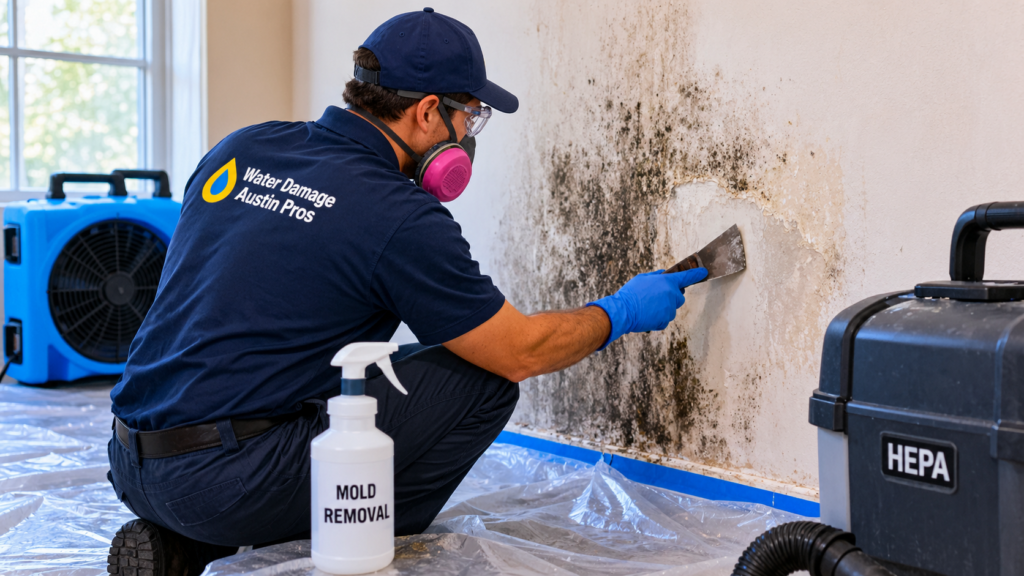
Larger jobs need plastic containment, negative air pressure and HEPA air scrubbers to keep spores from spreading, following the IICRC S520 standard for professional mold remediation. These protect the rest of your home but add to the cost.
Rebuild work
Removing moldy drywall or flooring leaves a gap that has to be repaired. Some companies include basic rebuild, others quote it separately, so ask before you compare prices.
Black Mold Removal Cost
“Black mold” usually refers to Stachybotrys chartarum, which grows on drywall, paper and wood that have stayed wet for a long time. Black mold removal cost is driven by the same factors as any mold job: size, location and materials. Because it typically means long-term water damage, though, it often involves removing more drywall and insulation, which can push the price higher. The CDC notes that the removal method is the same regardless of species.
Does Homeowners Insurance Cover Mold Remediation?
Sometimes. Many Texas homeowner policies limit or exclude mold coverage. However, mold that results from a sudden, covered water loss, like a burst pipe or a failed water heater, is often handled as part of that water damage claim. Mold from long-term leaks, poor ventilation or humidity usually isn’t covered.
The Texas Attorney General’s office advises homeowners to check whether their insurance settlement for remediation should include the cost of the mold assessment. Good documentation helps: photos, moisture readings and a written scope of work from the first visit make it easier for your adjuster to connect the mold to the covered water damage.
If you’re dealing with a recent leak, read about our water damage restoration and water extraction services. Fast drying is the best way to keep a water claim from becoming a mold problem.
DIY Mold Removal vs. Professional Remediation
The EPA’s general guidance is that homeowners can often clean small mold problems themselves, roughly under 10 square feet, on hard surfaces with proper protection, including an N95 respirator, gloves and goggles. Larger areas, mold on porous materials like drywall or carpet, mold in HVAC systems and any mold after sewage or floodwater should be handled by professionals.
- DIY can work for: small spots on tile, glass, sealed countertops or metal, where the moisture source is already fixed.
- Call a professional for: mold larger than a small patch, a persistent musty smell, mold inside walls or ducts, mold after a leak or flood, or anyone in the home with asthma or allergies.
Don’t use bleach on drywall or wood. It doesn’t reach roots inside porous materials, and scrubbing dry mold can release spores into the air. Learn how professional mold remediation in Austin handles containment and removal.
How to Keep Mold Remediation Costs Down
- Act fast. Mold spreads. A small patch caught early costs a fraction of what a whole-wall or attic job does.
- Fix the water first. Dry wet materials within 24 to 48 hours after a leak, as the EPA recommends, to stop mold before it starts.
- Control humidity. The EPA recommends keeping indoor humidity below 60 percent, ideally between 30 and 50 percent. In humid Austin summers, a properly sized AC and a dehumidifier help.
- Get the scope in writing. Ask what’s included: containment, removal, cleaning, drying, clearance and rebuild.
- Check the license. In Texas, mold remediation companies must be licensed by TDLR. Unlicensed work may not pass clearance and can cost more to redo.
- Document everything. Photos and moisture readings support your insurance claim and help avoid paying out of pocket for covered damage.
Cost figures in this guide are national and Austin-area estimates from published industry cost data, with guidance from the EPA, TDLR and the Texas Attorney General. Actual prices vary by home and job.
Mold Remediation Cost FAQ
Costs vary by size and location, but Austin-area jobs average about $3,509 based on published cost data, with most ranging from roughly $1,433 to $6,000 or more. Larger jobs in Texas also need a licensed assessor, which adds to the total.
Mold removal and mold remediation are usually priced the same way, at around $10 to $25 per square foot of affected area. The national average is about $2,368 based on published cost data, with Austin-area jobs averaging higher.
It can be, but small problems caught early are usually affordable. Costs rise quickly when mold spreads into walls, attics or HVAC systems, or when drywall and flooring have to be replaced.
Sometimes. Mold caused by a sudden, covered water loss is often included in that claim. Mold from long-term leaks or humidity usually isn’t. Check your policy and keep detailed records.
One Austin-area provider lists $250 to $400 for an inspection of homes up to 2,500 square feet. Lab sampling, larger homes and clearance testing add to that.
Mold spores exist naturally everywhere, so the goal of remediation is to remove mold growth and bring levels back to normal. Fixing the moisture source is what keeps it from returning.
Generally not for a personal residence. In limited cases, such as casualty losses from a federally declared disaster, some costs may qualify. Ask a tax professional about your situation.
Mold and Water Damage Services in Austin
Mold almost always starts with water. These services handle the problem from the source to the final cleanup.
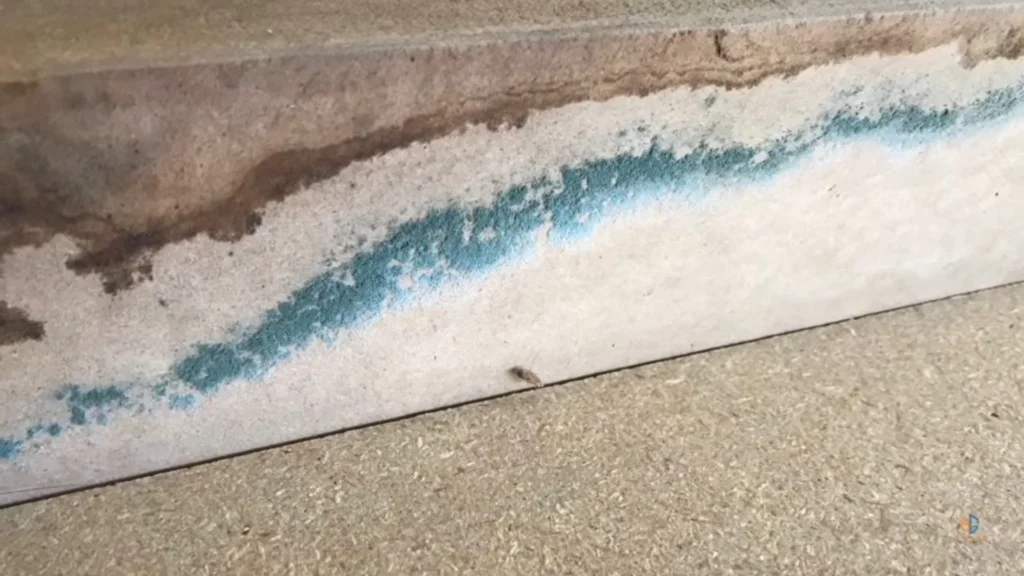
Mold Remediation
Containment, HEPA filtration and removal done to Texas rules, with the moisture source fixed so mold doesn’t return.
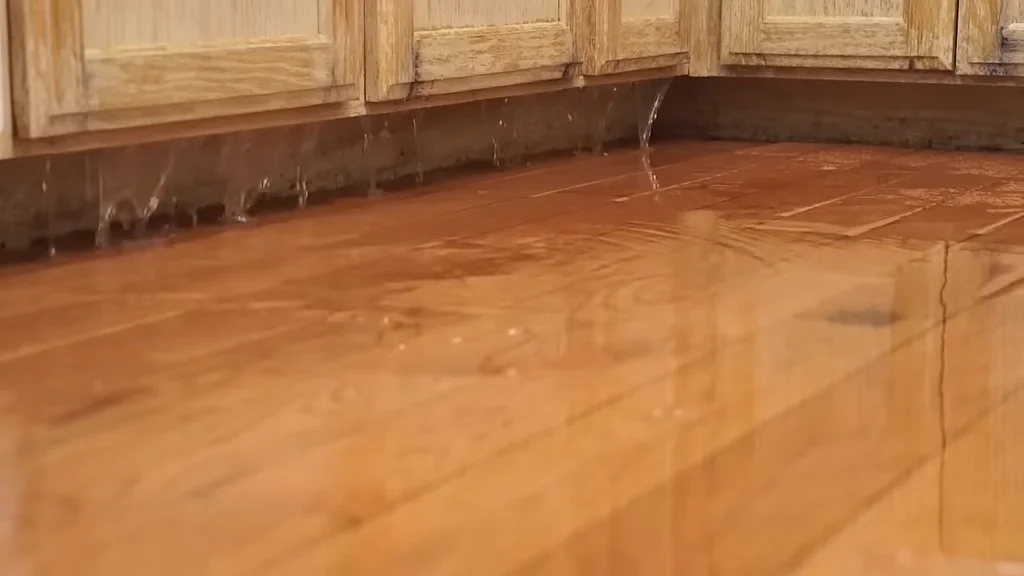
Water Damage Restoration
Leaks and flooding dried to IICRC standards before mold can take hold, with damaged materials restored.
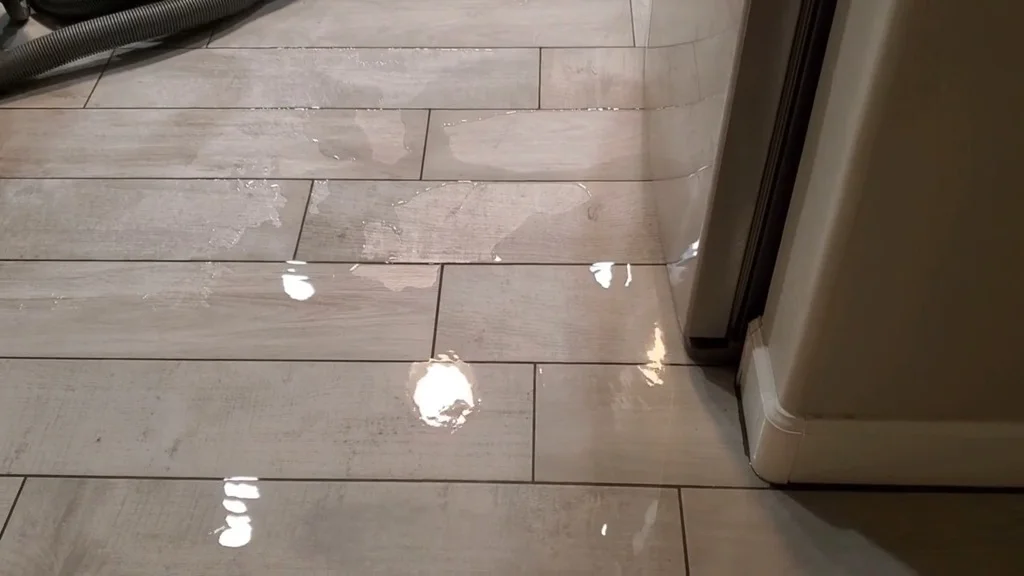
Water Extraction
Standing water pulled out of carpet, pad and subfloor fast, the first step in preventing mold.
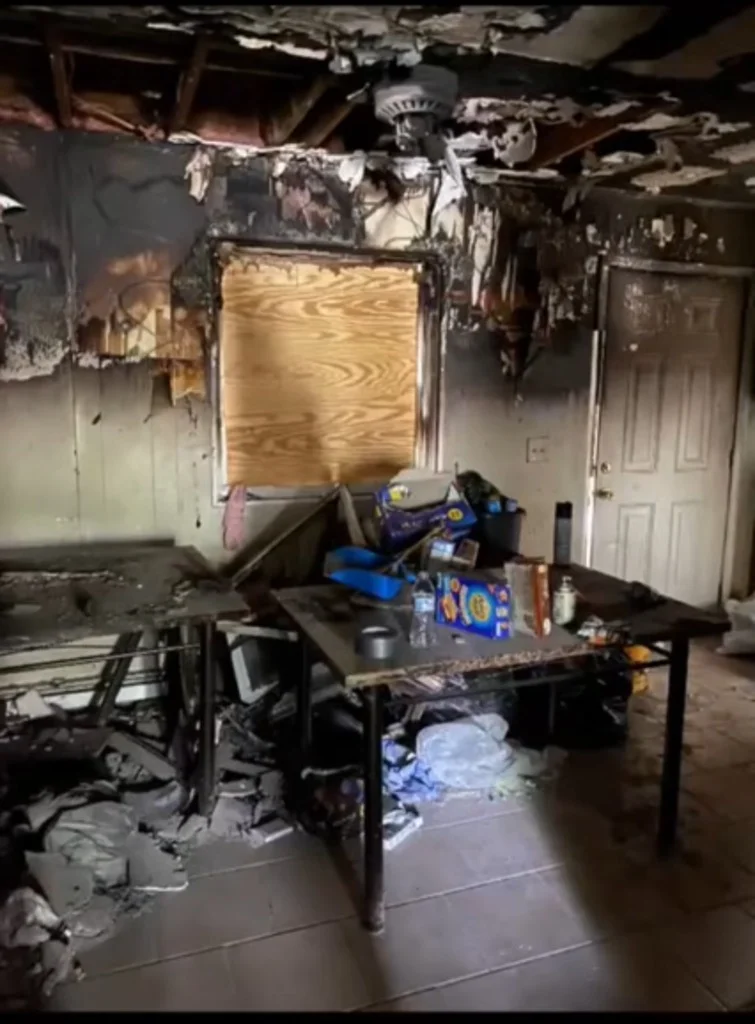
Fire Damage Restoration
Smoke, soot and firefighting water cleaned up so moisture left behind doesn’t turn into mold.
Found Mold in Your Austin Home?
The longer mold grows, the more it costs to remove. Call now to talk with a local crew about mold remediation in Austin.