What to Do After a House Fire: Smoke Damage Guide
The hours and days after a house fire are overwhelming. You’re dealing with safety, insurance, a place to stay and a home full of smoke and soot all at once. This guide walks you through what to do after a house fire in the order you’ll need it, then explains how smoke damage is cleaned up and what can be saved.
What to Do After a House Fire: A Timeline
In the first 24 hours
- Stay out until it’s cleared. FEMA advises not entering a fire-damaged home until the fire department says it’s safe. Structural damage, damaged wiring and lingering gases are real risks.
- Find a safe place to stay. Family and friends are the fastest option. The American Red Cross of Central Texas helps families after home fires with immediate needs like shelter, food and clothing.
- Call your insurance company. Report the fire, get a claim number and ask about additional living expenses, which can cover a hotel or rental while your home is repaired.
- Secure the property. Broken windows, burned doors and roof openings should be boarded up and tarped to keep out weather and intruders.
- Take photos and video of every room, including rooms the fire never reached. Smoke damage spreads far beyond the flames.
Days 2 and 3
- Request the fire report from the Austin Fire Department or your local fire department. Insurers usually ask for it.
- Contact your utilities. Austin Energy, your gas provider and Austin Water can confirm when it’s safe to restore service. Don’t turn utilities back on yourself.
- Notify your mortgage lender. Insurance checks for structural repairs are often made out to both you and the lender.
- Throw away food, drinks and medicine that were exposed to heat, smoke or soot, even if sealed.
- Keep the HVAC system off. Running it pulls soot through the ducts into every room.
During the first week
- Start a contents inventory. List damaged items room by room, with photos, brands and approximate age. Don’t throw anything out until your adjuster has seen it or approved disposal.
- Replace important documents. Driver’s licenses can be replaced through Texas DPS, Social Security cards through the Social Security Administration and Texas birth certificates through Texas Vital Statistics.
- Protect valuables and mail. Remove valuables you can safely reach, and set up mail forwarding with USPS if you’re staying elsewhere.
- Get smoke and water damage cleanup started. If firefighters used water, it can grow mold within 24 to 48 hours (here’s how mold remediation works), so drying shouldn’t wait for the full claim to settle.
- Keep every receipt. Hotel stays, meals, clothing and emergency services may be reimbursable.
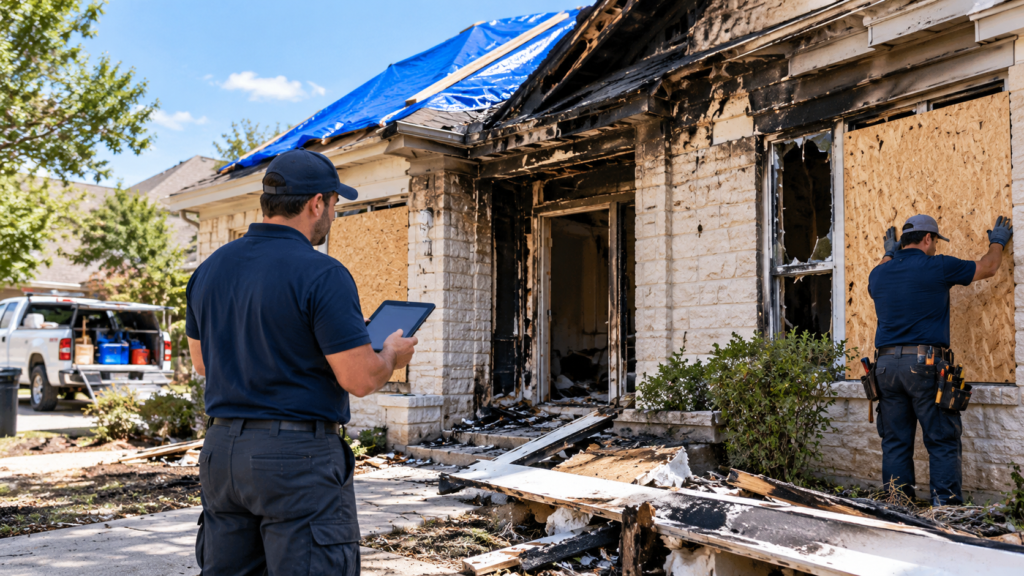
Can You Live in a House With Smoke Damage?
It depends on how heavy the damage is. A small, quickly contained kitchen fire may leave the rest of the home livable once it’s aired out and cleaned. Heavy smoke throughout the house is a different story.
Smoke residue can contain acids, fine particles and chemicals from burned plastics and synthetic materials. These irritate the eyes, throat and lungs, and they’re a bigger concern for children, older adults and anyone with asthma or heart conditions. If you smell smoke strongly indoors, see soot on surfaces or have trouble breathing, stay somewhere else until the home is cleaned.
Many homeowners policies include additional living expenses, which can cover a hotel or rental while your home is restored. Ask your insurer early.
What to Throw Away After Smoke Damage, and What Can Be Saved
| Item | Usually |
|---|---|
| Food, drinks and medicine near the fire | Throw away, even if sealed |
| Cosmetics and toiletries exposed to heat | Throw away |
| Mattresses and pillows with heavy smoke odor | Often replaced |
| Clothing and linens | Often saved with professional laundering or ozone-free deodorization |
| Hard furniture (wood, metal) | Usually cleanable |
| Upholstered furniture | Depends on soot type and odor; often cleanable |
| Electronics | Have them checked before use; soot is corrosive |
| Important documents and photos | Can often be restored; don’t throw away |
When in doubt, don’t throw it out until your adjuster has seen it. Photograph items you have to discard and keep a list for your contents claim.
Why Soot Type Changes the Cleanup
Not all smoke damage cleans up the same way. What burned determines the residue, and the wrong cleaning method can smear it deeper into surfaces.
Dry soot
Comes from fast, hot fires burning wood and paper. It’s powdery and comes off more easily, but it spreads if wiped the wrong way.
Wet soot
Comes from slow, smoldering fires burning plastics and synthetics. It’s sticky, smears and has a strong odor.
Protein residue
Comes from kitchen fires where food burned. It’s nearly invisible but yellows paint and leaves one of the strongest smells.
Fuel or oil soot
Comes from furnace puff-backs or garage fires. It’s the hardest to remove and usually needs professional cleaning.
Professional crews follow the IICRC S700 standard for fire and smoke damage restoration, which matches cleaning methods to the residue and the surface.
How Long Does Smoke Smell Stay in a House?
Without proper cleaning, smoke odor can linger for months. It settles into insulation, framing, ductwork and fabrics, not just visible surfaces, and Austin’s heat and humidity can bring it back on hot days.
Air fresheners and paint only cover it temporarily. Removing the smell for good means cleaning every surface the smoke reached and then deodorizing with tools like HEPA air scrubbers, hydroxyl generators or thermal fogging that reach hidden spaces. Sealing primers are used on framing only after cleaning, never as a substitute.
Don’t forget the HVAC system
Smoke gets pulled into return vents and spreads through the ducts. Replacing filters isn’t enough after a significant fire. Ducts, the air handler and vents should be cleaned before you run the system again.
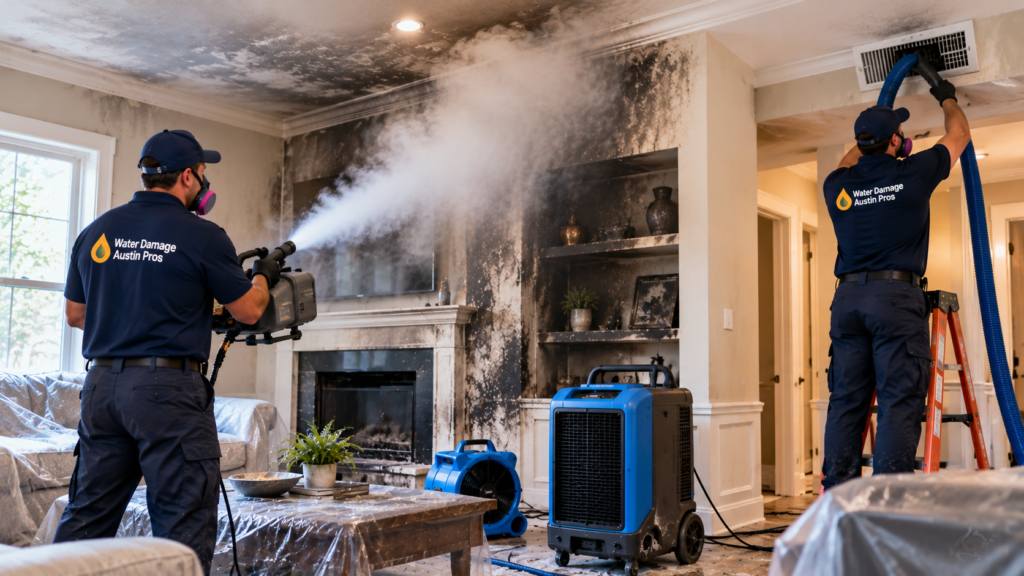
How to Clean Smoke Damage Yourself - What’s Safe
Light smoke residue on hard surfaces in a room away from the fire can sometimes be handled by a homeowner. Wear gloves and an N95 respirator, ventilate the area and clean from the top down.
- Use a dry chemical sponge on walls and ceilings first. Wet cleaning first can set soot.
- Vacuum loose soot with a HEPA vacuum, not a regular household one.
- Don’t scrub wet soot. It smears.
- Don’t wash smoky clothes with regular loads. Odor transfers.
Call a professional for heavy soot, wet or oily residue, smoke odor throughout the home, damage from firefighting water, or anyone in the household with breathing problems. Learn more about our fire damage restoration service in Austin.
Smoke Damage and Your Insurance Claim
Fire and smoke damage are among the most commonly covered losses in a homeowners policy, and that usually includes water damage from firefighting. The key is showing the full extent of the damage, including rooms where smoke spread but nothing burned.
Keep a running list of damaged contents, photos of every room and receipts for emergency costs like board-up, hotel stays and meals. For tips on working with your adjuster, see our water damage insurance claim tips. If firefighting water soaked floors and walls, fast water extraction helps keep mold from following the fire.
Smoke Damage FAQ
Call 911 if anyone is in danger. Once everyone is safe, call your insurance company, then arrange a place to stay. The American Red Cross of Central Texas can help with immediate needs if you have nowhere to go.
Request it from the Austin Fire Department, or the fire department that responded if you’re outside city limits. Your insurer will likely ask for a copy, so request it early.
It can be. Smoke and soot from burning plastics, synthetics and household chemicals contain particles and compounds that irritate the lungs and eyes. Limit exposure, wear an N95 respirator if you must enter, and let professionals handle heavy residue.
Clean every affected surface with methods matched to the soot type, clean the HVAC system, and remove lingering odor with air scrubbers, hydroxyl generators or thermal fogging. Masking the smell doesn’t solve it.
Light smoke damage in a few rooms can be cleaned in a few days. Heavy smoke throughout a home, plus water damage and repairs, can take weeks.
Yes. Soot is acidic and can etch metal, glass and finishes within days, and odor sets deeper into porous materials the longer it sits. Starting cleanup quickly saves more.
Fire and Smoke Cleanup Services in Austin
From soot removal to the water left behind by firefighting, these services cover the whole recovery.
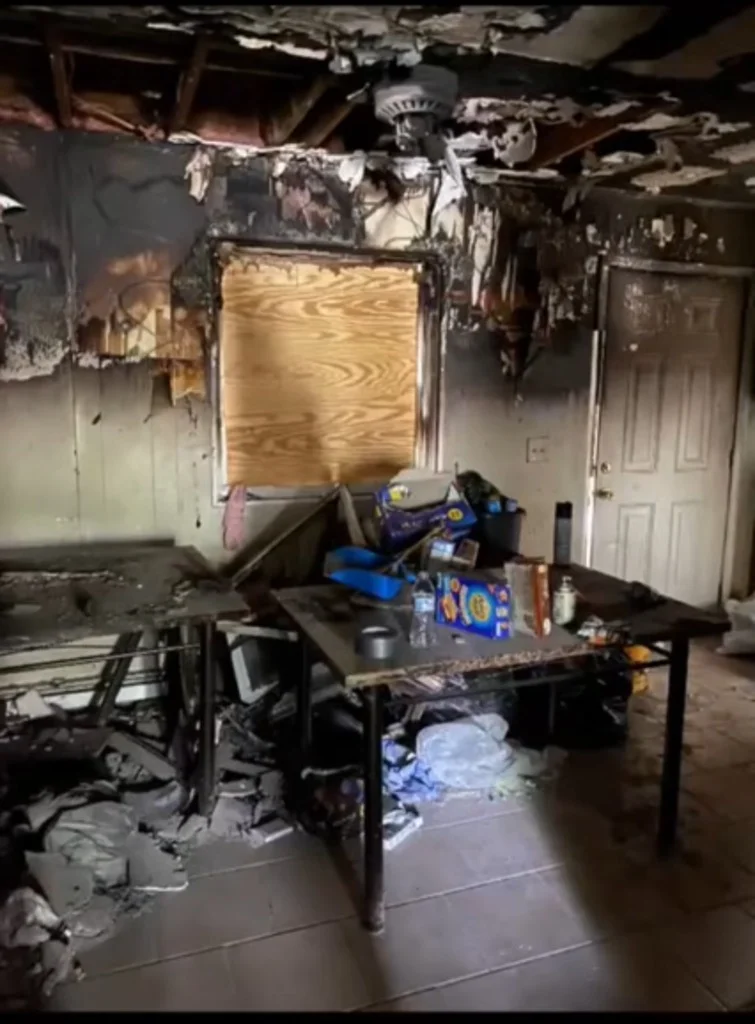
Fire Damage Restoration
Smoke, soot and firefighting water cleaned and deodorized so your home is livable again.
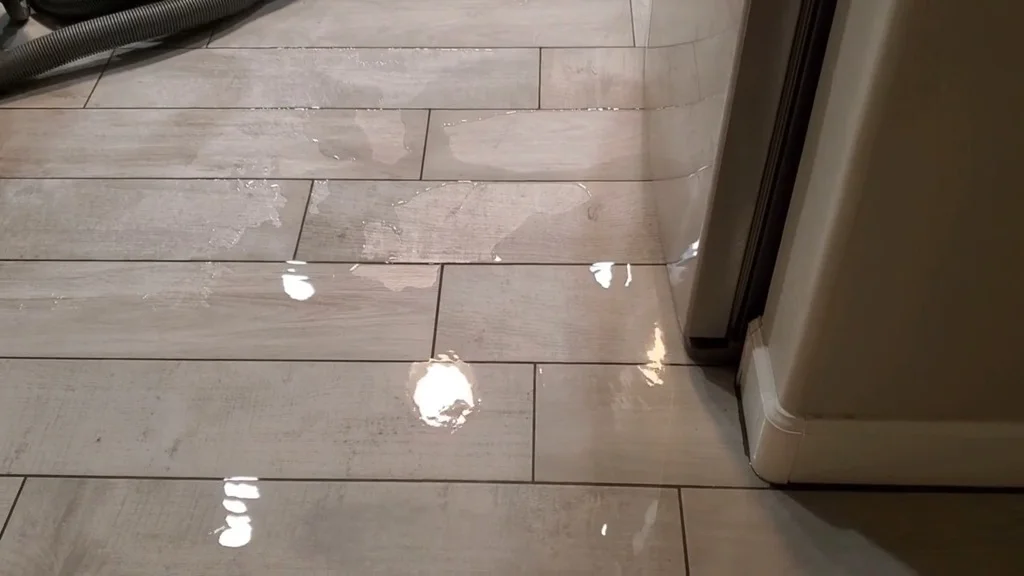
Water Extraction
Standing water pulled out of carpet, pad and subfloor fast, before it spreads into walls.
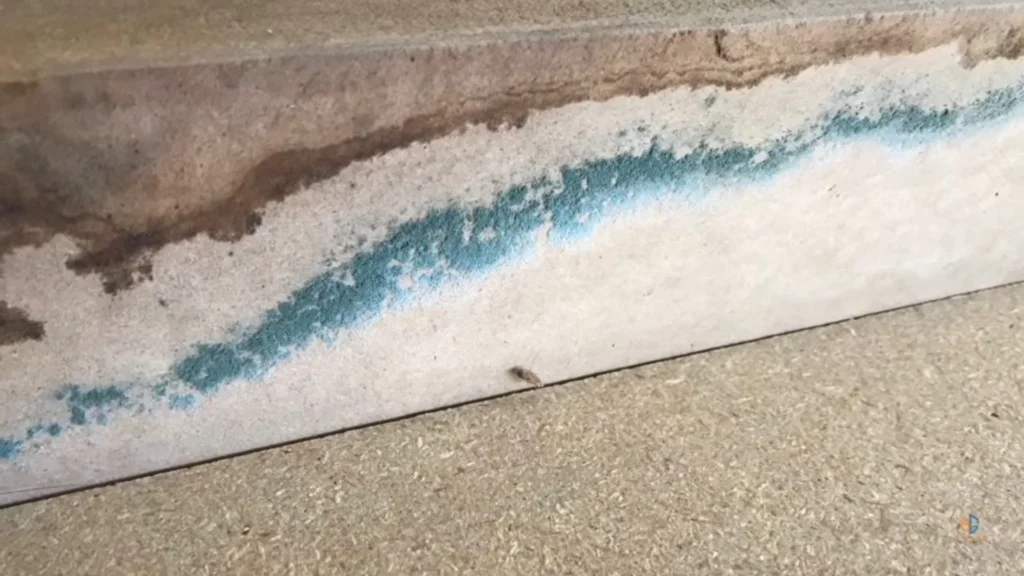
Mold Remediation
Containment, HEPA filtration and removal done to Texas rules, with the moisture source fixed.
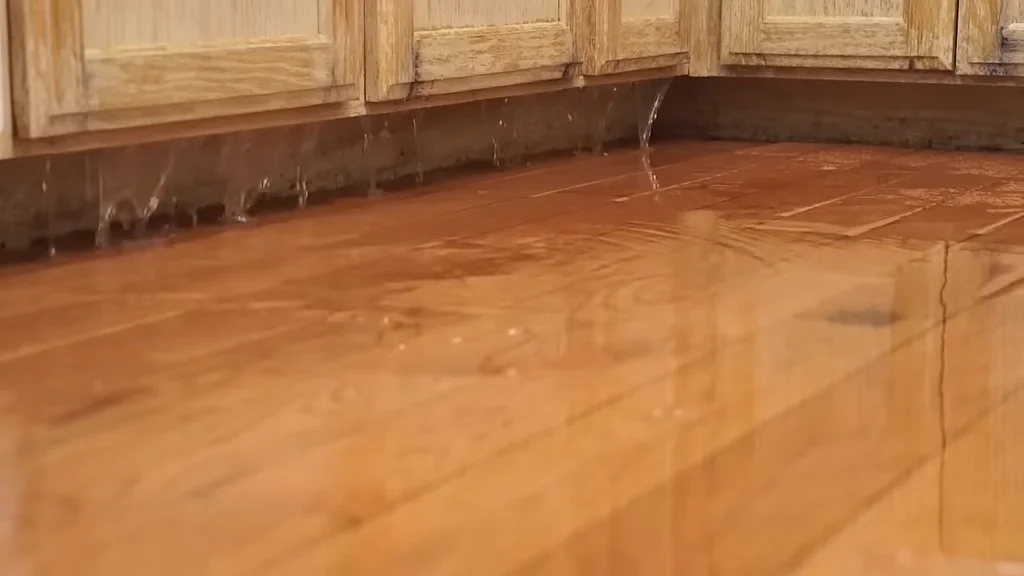
Water Damage Restoration
Leaks, floods and appliance failures dried to IICRC standards, with damaged floors, walls and trim restored.
Need Smoke Damage Cleaned Up in Austin?
Soot and odor keep working until they’re removed. Call now for fire and smoke damage cleanup from a local crew.