Water Damage Insurance Claim Tips for Texas Homeowners
A burst pipe or failed water heater is stressful enough without fighting your insurance company. The way you handle the first few days, what you photograph, what you throw away and what you say to the adjuster, often decides how smoothly your water damage claim goes. These tips walk you through it in the order you’ll actually need them.
The First 24 Hours: What to Do Before You File
Your policy expects you to protect your home from further damage. Insurers call this your duty to mitigate, and skipping it is one of the easiest ways to lose part of a claim. Before you worry about forms, get the water under control.
- Stop the source. Shut off the main water valve or the valve at the appliance.
- Make it safe. Turn off power to wet rooms at the breaker if you can reach it without standing in water.
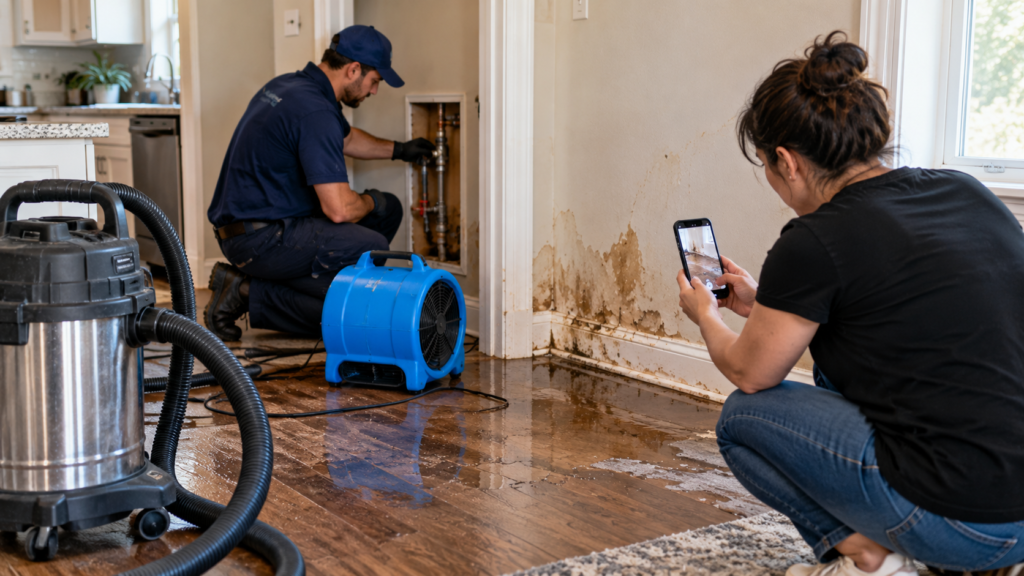
- Document before you move anything. Take wide photos of each room, then close-ups of the water line on walls, wet flooring, damaged contents and the source itself.
- Start drying. Get standing water out and drying equipment running. Professional water extraction within the first day keeps a water claim from turning into a mold claim.
- Call your insurance company or agent. Report the loss promptly and write down your claim number, the date and who you spoke to.
Keep every receipt from this stage, including emergency service, fans, a hotel stay or meals out if your kitchen is unusable. Many policies reimburse reasonable emergency costs and additional living expenses.
How to Document Water Damage for Your Claim
Adjusters approve what they can see and measure. The more complete your record, the less room there is for disagreement later.
| What to Capture | Why It Matters |
|---|---|
| The source (pipe, hose, water heater, appliance) | Shows the damage was sudden, which most policies cover |
| Water lines on walls and baseboards | Shows how high the water reached and which materials it touched |
| Every affected room, wide and close-up | Prevents rooms or items from being missed in the estimate |
| Damaged contents with brand and model labels | Supports replacement value for furniture and electronics |
| Moisture readings and drying logs | Proves hidden damage inside walls and under floors |
| Receipts for emergency work | Supports reimbursement of out-of-pocket costs |
Don’t throw out damaged materials until your adjuster has seen them or approved disposal. If something has to go for health reasons, like carpet soaked by sewage, photograph it first and keep a small cut sample if you can.
Need Water Removed and Documented Fast?
A local crew can extract the water, start drying and record moisture readings and photos for your adjuster from the first visit. Call any time.
Texas Claim Deadlines Your Insurer Has to Follow
Texas has some of the clearest claim-handling timelines in the country, set out in the Texas Insurance Code and explained by the Texas Department of Insurance.
| Step | Deadline |
|---|---|
| Insurer acknowledges your claim | 15 business days after you report it, according to TDI |
| Insurer accepts or denies | 15 business days after it receives everything it asked for |
| Insurer pays an accepted claim | 5 business days after notifying you it will pay |
An insurer can ask for more time if it needs it, but it has to tell you why. If deadlines slip without explanation, you can call TDI’s Help Line at 800-252-3439 or file a complaint. Keep notes of every call and save every email, since dates matter if there’s a dispute.
What Not to Say to an Insurance Adjuster About Water Damage
The adjuster’s job is to determine what the policy covers. Stick to facts you know, and avoid guesses that can be read the wrong way.
- Don’t guess how long a leak has been going. “It might have been dripping for a while” can turn a covered sudden loss into an excluded gradual one. Say when you discovered it.
- Don’t call it a flood unless it was. Flood has a specific meaning in insurance: surface water from outside, like rising creeks. A burst pipe isn’t a flood.
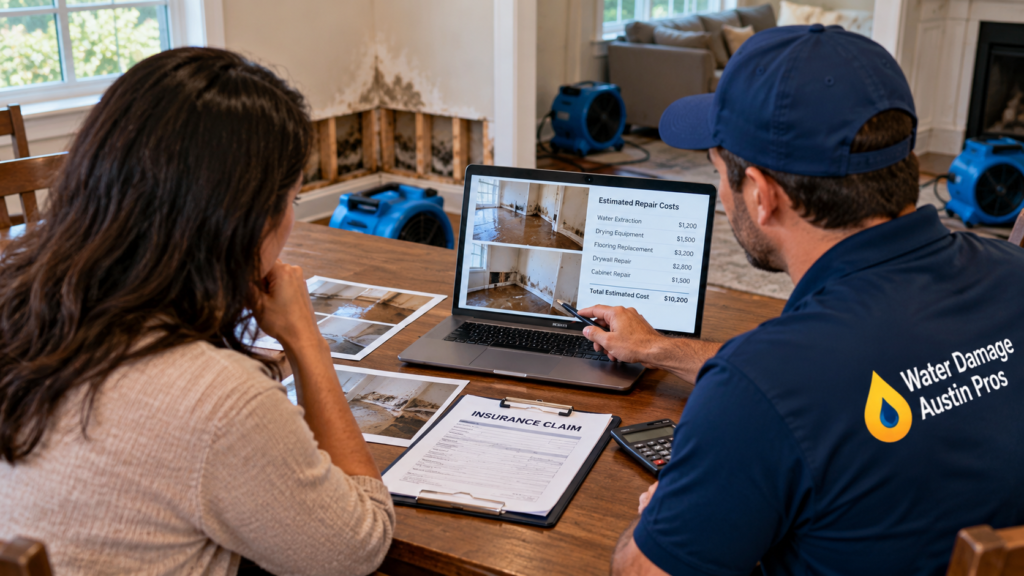
- Don’t agree to a number on the spot. Ask for the estimate in writing and compare it with your contractor’s scope.
- Don’t downplay the damage. Point out every affected room, including closets and areas behind furniture.
It helps to have your restoration company’s moisture map and photos ready when the adjuster arrives. Hidden water in walls and subfloors is easy to miss on a walkthrough.
What Homeowners Insurance Usually Covers, and What It Doesn't
Usually covered
- Burst or frozen pipes
- Sudden appliance failures, like a split washer hose or a failed water heater
- Water used to put out a fire
- Storm damage where wind or hail opens the roof and rain gets in
Usually not covered
- Gradual leaks and long-term seepage
- Damage from lack of maintenance
- Flooding from rising surface water, which requires separate flood insurance through the National Flood Insurance Program or a private carrier
- Sewer and drain backup, unless you’ve added a water backup endorsement
According to FEMA, most homeowners policies don’t cover flood damage, and NFIP policies typically have a 30-day waiting period, so they can’t be bought after a storm is in the forecast. If drains backing up is a concern in your home, read our guide to water backup coverage.
Mold is often limited too. Many Texas policies cap or exclude it unless it results from a covered water loss, which is another reason fast drying matters. See our breakdown of mold remediation cost for more.
Is It Worth Filing a Water Damage Claim?
Sometimes paying out of pocket makes sense. Compare the likely repair cost with your deductible, and keep in mind that small claims can affect future premiums.
- File if damage spreads across multiple rooms, involves flooring, drywall and cabinets, or needs professional drying. These costs add up fast.
- Consider skipping if the damage is minor and close to your deductible, like a small spill caught right away.
- Ask first. Your agent can tell you how a claim might affect your premium before you decide.
Either way, start drying immediately. Waiting to decide while wet drywall sits is how a small repair becomes a large one.
What to Do If Your Water Damage Claim Is Denied or Underpaid
- Get the reason in writing. Ask which policy language the denial is based on.
- Compare it with your policy. Read the exclusions yourself, especially wording about sudden versus gradual damage.
- Send more evidence. Moisture logs, photos, plumber notes on the failed part and contractor estimates can change the outcome.
- Use the appraisal clause if you agree it’s covered but disagree on the amount. Most policies allow each side to hire an appraiser.
- Contact TDI. The Texas Department of Insurance can answer questions and accepts complaints about claim handling.
Need help after a leak? Our water damage restoration crews document every step so your claim has what it needs.
Water Damage Claim FAQ
Report it as soon as possible. Policies require prompt notice, and many set written deadlines for filing. Check your policy, since waiting can give the insurer a reason to deny part of the claim.
It can. Some insurers raise premiums after a claim, especially water claims. Ask your agent before filing small claims close to your deductible.
Yes, you should start emergency mitigation like water removal and drying right away. Hold off on permanent repairs, like new drywall or flooring, until the adjuster has inspected or approved them.
When the water damage itself is covered, the cost of extraction and drying is usually covered too, since it prevents further damage.
Flood means surface water from outside, like rising creeks or storm runoff, and needs separate flood insurance. Water damage from inside the home, like a burst pipe, falls under standard homeowners coverage.
Help With Water Damage in Austin
Fast, well-documented cleanup makes a claim easier to settle.
Water Damage Restoration
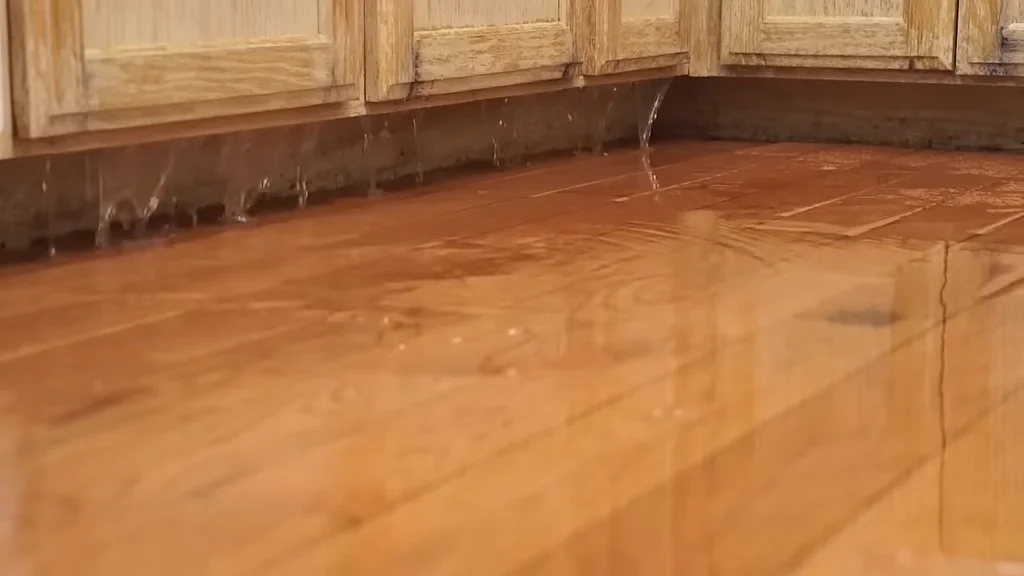
Leaks, floods and appliance failures dried to IICRC standards, with damaged floors, walls and trim restored.
Water Extraction
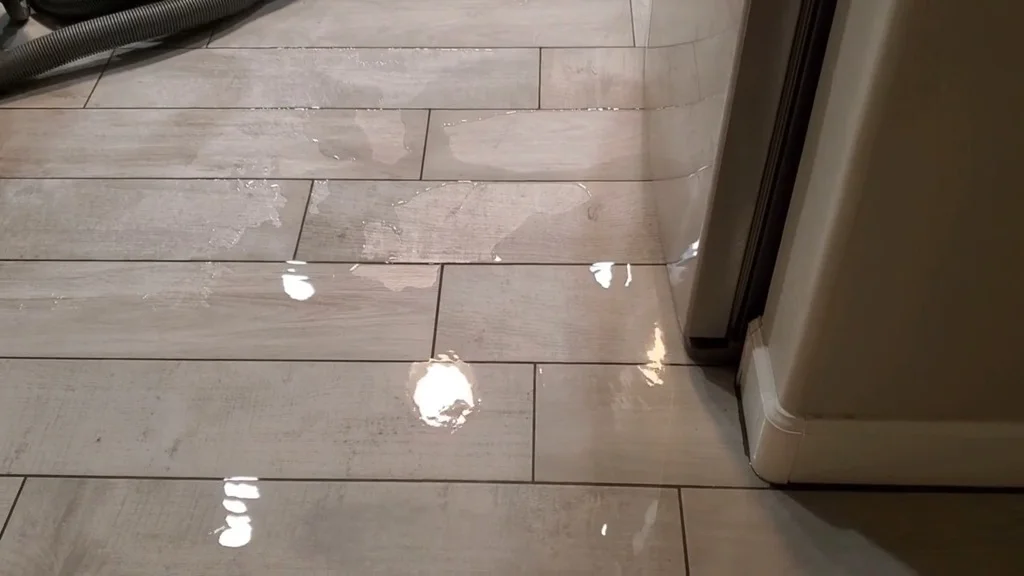
Standing water pulled out of carpet, pad and subfloor fast, before it spreads into walls.
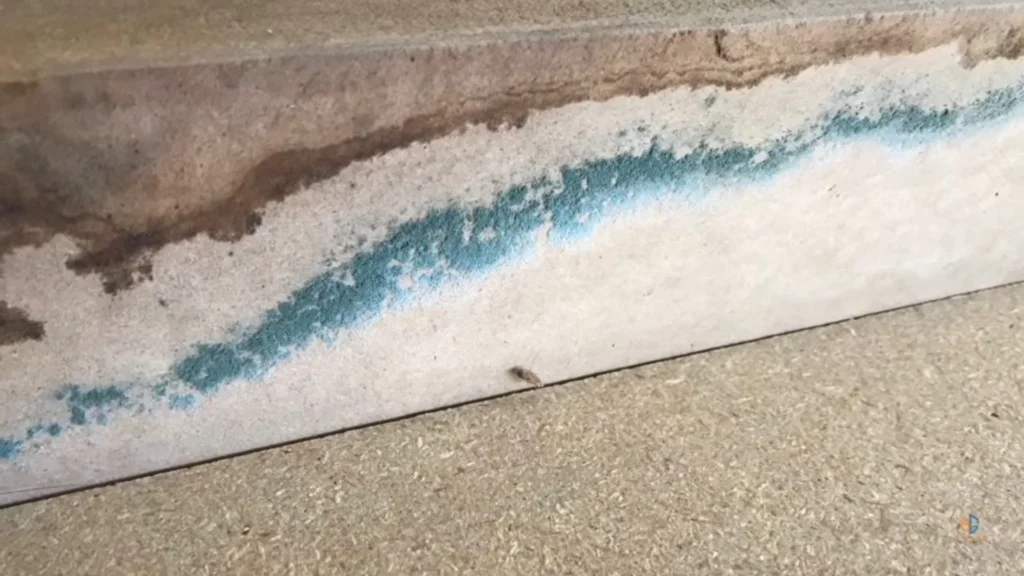
Mold Remediation
Containment, HEPA filtration and removal done to Texas rules, with the moisture source fixed.
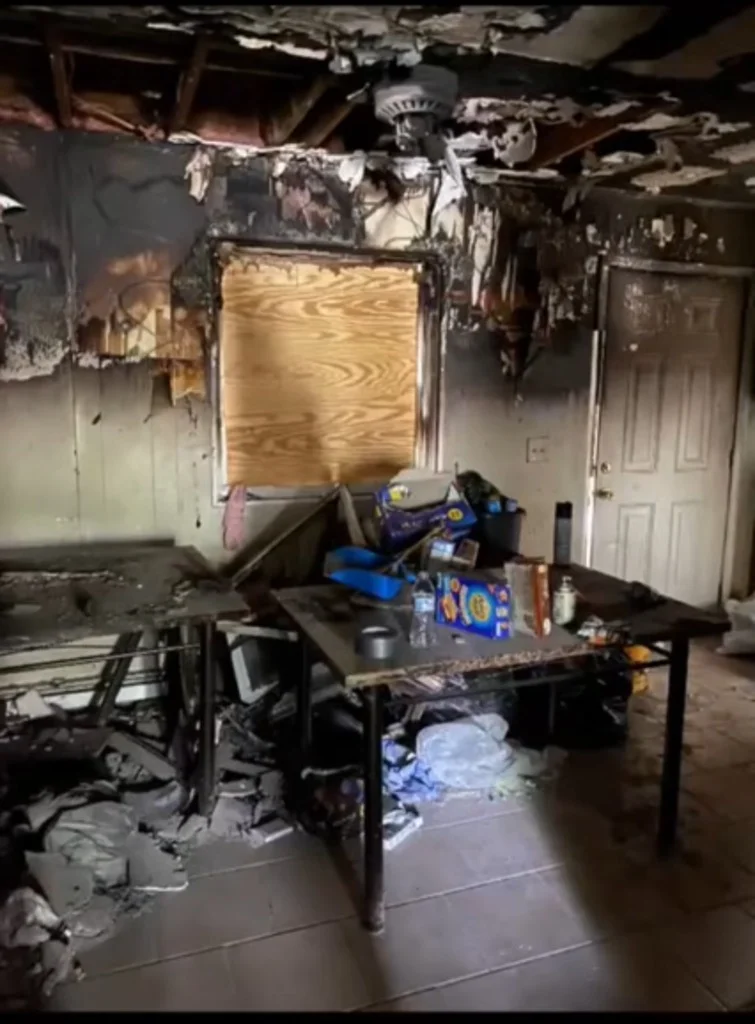
Fire Damage Restoration
Smoke, soot and firefighting water cleaned and deodorized so your home is livable again.
Dealing With Water Damage Right Now?
Get the water out and the documentation started today. Call for water damage help in Austin, day or night.