Water Damage Restoration Process - Step-by-Step Guide
If water has soaked your floors or walls, you probably want to know what happens next and how long it will take. The water damage restoration process follows a set order, from the first phone call to the last coat of paint, and each step exists for a reason. Here’s what to expect, explained in plain terms.
Mitigation, Remediation and Restoration: The Three Stages
You’ll hear these words used interchangeably, but they describe different parts of the job.
| Stage | What Happens | Goal |
|---|---|---|
| Mitigation | Stopping the water, extracting it and starting drying | Prevent further damage |
| Remediation | Removing damaged or contaminated materials and cleaning | Make the home safe and clean |
| Restoration | Repairing drywall, flooring, trim and paint | Return the home to how it was |
Most of the steps below happen in that order. Mitigation is the urgent part. Restoration can wait until everything is dry.
Water Damage Restoration Steps: The 7-Step Process
1. Emergency contact and dispatch
You describe what happened: where the water came from, how long it’s been there and which rooms are affected. That tells the crew what equipment to bring and how urgent it is.
2. Inspection and moisture mapping
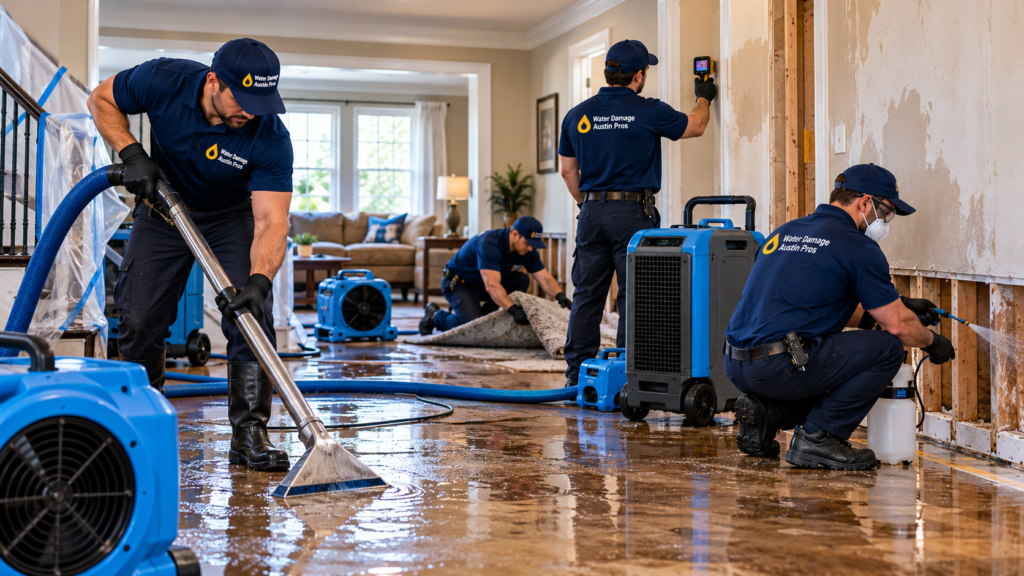
Technicians find the source, confirm it’s stopped and measure how far water traveled using moisture meters and thermal imaging. Water spreads under flooring and up drywall well past what you can see.
3. Identifying the water category
The IICRC S500 standard sorts water into three categories. Category 1 is clean water, Category 2 is gray water with some contamination, and Category 3 is black water like sewage or floodwater. The category decides what can be saved.
4. Water extraction
Standing water comes out first, using submersible pumps and truck-mounted or portable extractors. Extraction removes far more water than fans ever could, which shortens drying time by days. Learn more about water extraction.
5. Removing damaged materials
Carpet pad, baseboards and the bottom of drywall are often removed so the structure underneath can dry. Materials soaked by Category 3 water are removed and disposed of.
6. Drying and dehumidification
Air movers push air across wet surfaces, and dehumidifiers pull moisture out of the air. Equipment is placed based on the drying class, and moisture is checked daily until readings reach dry standards.
7. Cleaning, sanitizing and repairs
Affected areas are cleaned and treated with antimicrobials to prevent mold and odor. Then drywall, flooring, trim and paint are restored.
Need the Process Started Today?
A local crew can begin extraction and drying the same visit. Call any time, day or night.
Water Categories and Drying Classes Explained
Two classifications from the IICRC S500 standard shape every job.
| Category | Source | What It Means |
|---|---|---|
| Category 1 | Clean water from a supply line or faucet | Most materials can often be dried in place |
| Category 2 | Gray water from a washer, dishwasher or toilet overflow without waste | Pad usually removed; surfaces cleaned and treated |
| Category 3 | Sewage, floodwater, storm runoff | Porous materials removed; full sanitizing required |
| Drying Class | How Much Got Wet |
|---|---|
| Class 1 | Small area, little absorption |
| Class 2 | A whole room, carpet and lower walls |
| Class 3 | Water came from above; ceilings, walls and floors saturated |
| Class 4 | Dense materials like hardwood, plaster or concrete that dry slowly |
Clean water doesn’t stay clean. After a day or two in carpet and drywall, Category 1 water can become Category 2, which is why speed matters. Flooding from creeks and storms is always treated as Category 3. If that’s your situation, see what to do after a flood, and for sewage, our guide to sewer backups.
How Long Does Water Damage Restoration Take?
Drying usually takes three to five days for most homes. Hardwood floors, plaster and soaked concrete slabs can take longer. Repairs add time depending on what was removed, from a few days for drywall patches to a few weeks for flooring and cabinets.
In Austin, most homes sit on concrete slabs. Water that gets under tile or vinyl plank spreads sideways instead of draining, so moisture mapping matters even more here than in homes with crawl spaces.
The EPA recommends drying water-damaged materials within 24 to 48 hours to prevent mold growth. That’s why mitigation starts immediately, even before insurance approves repairs.
What You Can Do While Restoration Is Underway
- Keep doors and windows closed unless the crew asks otherwise. Drying works best in a controlled space.
- Don’t turn off drying equipment, even if it’s loud. Interrupting it adds days.
- Keep kids and pets away from equipment and removed materials.
- Track every conversation with your insurer. Our water damage insurance claim tips cover what to document.
- Watch for a musty smell after the job. It can signal hidden moisture that needs a recheck.
If mold has already started, the job includes mold remediation, which follows its own process. Read how mold remediation works for that side of things.
Water Damage Restoration FAQ
Stopping the source and getting standing water out. Inspection and moisture mapping happen right alongside it so nothing hidden is missed.
Often yes, if the damage is limited to a few rooms and doesn’t involve sewage. Large losses, Category 3 water or loss of a kitchen or bathroom may mean staying elsewhere for a while.
Drywall wicks water upward and hides wet insulation and framing behind it. Cutting out the bottom section lets the wall cavity dry and prevents mold.
When the water damage itself is covered, like a burst pipe or appliance failure, extraction, drying and repairs are usually covered too.
Water Damage Services in Austin
These services cover each stage of the process, from the first hour to the final repair.
Water Damage Restoration
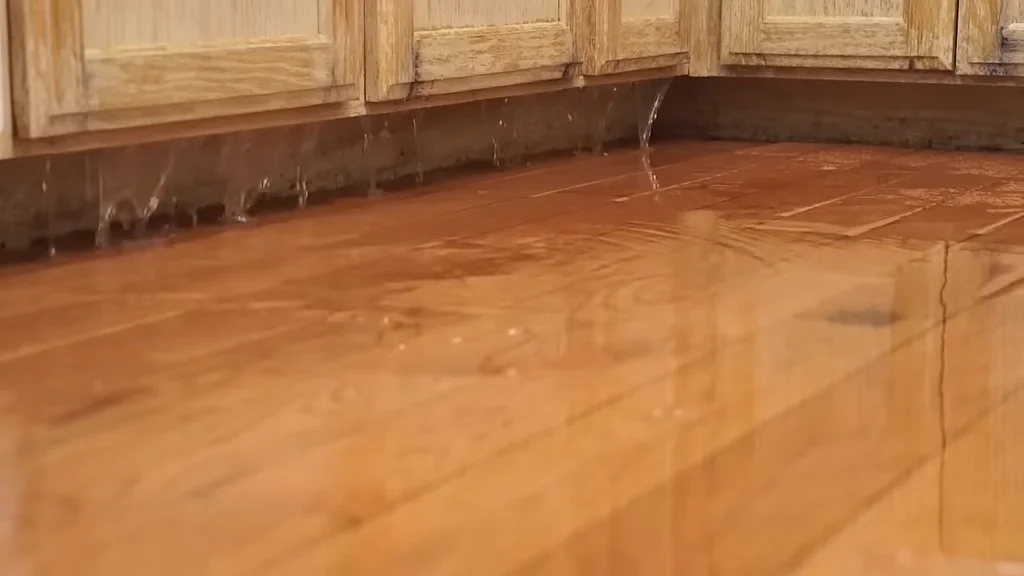
Leaks, floods and appliance failures dried to IICRC standards, with damaged floors, walls and trim restored.
Water Extraction
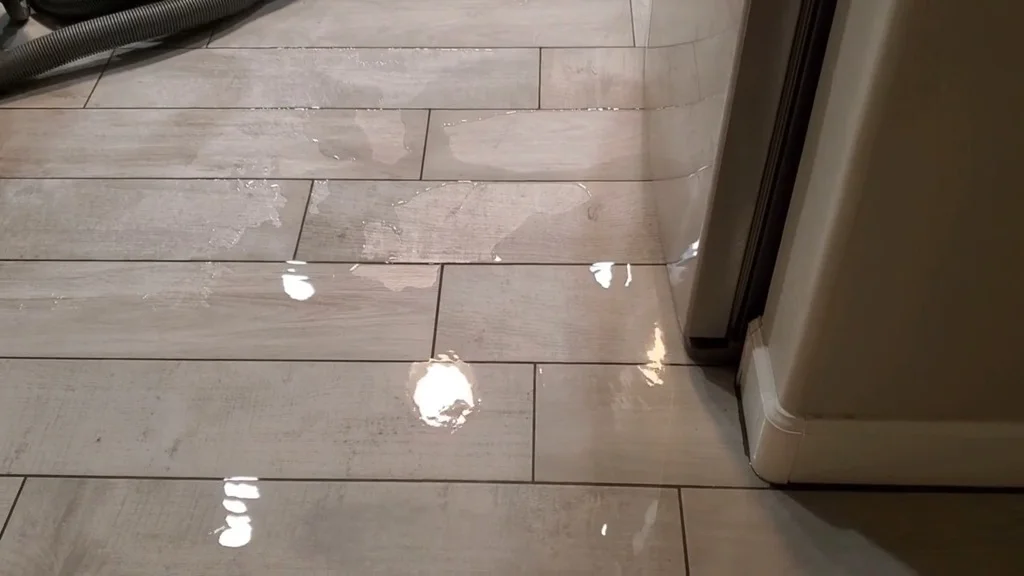
Standing water pulled out of carpet, pad and subfloor fast, before it spreads into walls.
Mold Remediation
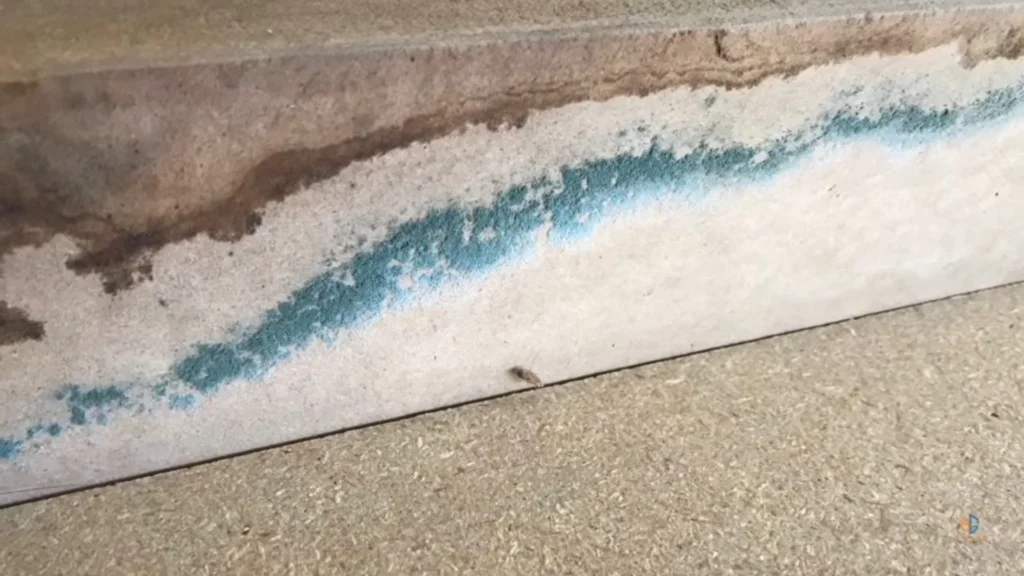
Containment, HEPA filtration and removal done to Texas rules, with the moisture source fixed.
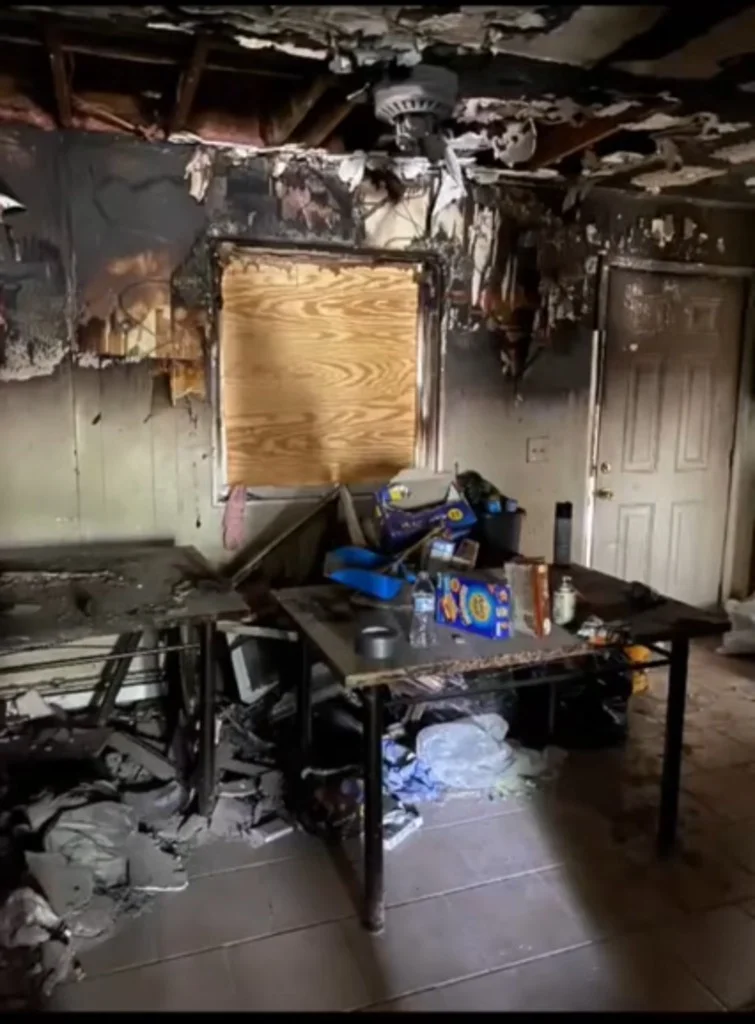
Fire Damage Restoration
Smoke, soot and firefighting water cleaned and deodorized so your home is livable again.
Ready to Start Drying Out Your Home?
The sooner water is extracted, the more of your home can be saved. Call now for water damage restoration in Austin.