What to Do After a Flood in Your House - Austin Guide
Central Texas floods fast. A single storm can push creeks over their banks and send water into homes that have never flooded before. If it’s happened to you, the next few days matter more than anything. This guide covers what to do after your house floods, in the order you’ll need it, from staying safe to drying out and filing your claim.
Before You Go Back Inside
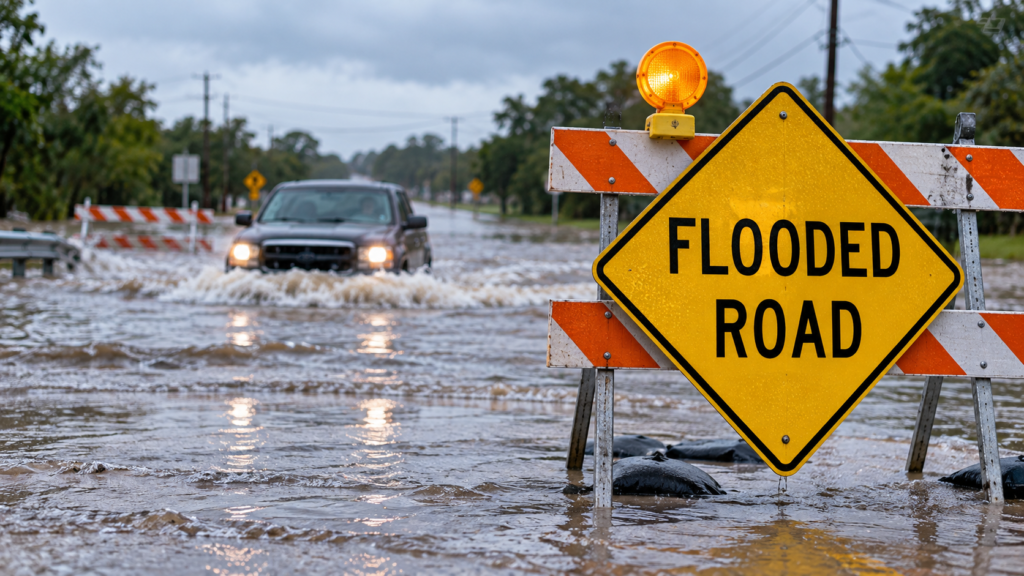
Floodwater is dangerous even after the rain stops. The National Weather Service message is simple: turn around, don’t drown. Just six inches of moving water can knock an adult down, and many flood deaths in Texas happen in vehicles at low water crossings.
- Check ATXfloods.com for road closures and low water crossings in the Austin area before driving back.
- Don’t enter the home if there’s structural damage, a gas smell or standing water near outlets or appliances.
- Have the power shut off at the meter or by an electrician if water reached outlets or the panel.
- Wear rubber boots, gloves and an N95 respirator. Floodwater can carry sewage, chemicals and debris.
- Keep children and pets out until cleanup is done.
Photograph Everything, Then Call Your Insurer
Take photos and video of every room before you move or throw anything away. Capture the water line on walls, damaged furniture, appliances and personal items. Then contact your insurance company or flood insurer to start the claim.
Flood insurance vs. homeowners insurance
According to FEMA, most homeowners policies don’t cover flood damage. Flood coverage comes from the National Flood Insurance Program or a private flood policy. If water came from inside the home, like a burst pipe, that’s usually a homeowners claim instead. Our water damage insurance claim tips explain the difference and what to document.
Get the Water Out as Fast as Possible
Every hour floodwater sits, it soaks deeper into drywall, insulation, subfloor and cabinets. The EPA recommends drying water-damaged materials within 24 to 48 hours to prevent mold, which is hard to do once water has been sitting.
For more than a few inches of water, professional water extraction with submersible pumps and truck-mounted extractors removes far more water than a shop vac. Most Austin homes are on concrete slabs, so water spreads under flooring rather than draining away.
Floodwater in Your Home Right Now?
A local crew can pump out the water, remove soaked materials and start drying today. Call any time, day or night.
What to Throw Away After a Flood
Floodwater is Category 3 water, so anything porous that it soaked is usually unsafe to keep.
| Item | Keep or Toss? |
|---|---|
| Carpet and carpet pad | Toss |
| Mattresses, pillows, upholstered furniture | Usually toss |
| Drywall and insulation below the water line | Remove and replace |
| Food and anything that touched floodwater | Toss, including canned goods with damaged seals |
| Solid wood and metal furniture | Often cleanable |
| Hard surfaces (tile, metal, glass) | Clean and disinfect |
| Photos and important papers | Freeze or air-dry; don’t toss right away |
Before throwing items out, photograph them and list them for your claim. Your adjuster may want to see some items before disposal.
Flooded House Cleanup: Cleaning and Disinfecting
The CDC recommends cleaning hard surfaces with soap and water first, then disinfecting with a bleach solution of no more than 1 cup of household bleach per 5 gallons of water. Never mix bleach with ammonia or other cleaners.
- Open windows and run fans, air conditioning and dehumidifiers to dry the air, as FEMA recommends.
- Cut out wet drywall at least a foot above the water line so wall cavities can dry.
- Clean and dry framing before closing walls back up.
- Don’t run the HVAC system if ducts took on water until they’ve been inspected and cleaned.
Use bleach only on hard, non-porous surfaces. It won’t fix mold inside drywall or wood, which needs to be removed. If you see or smell mold, read how mold remediation works.
How Long Does It Take a Flooded House to Dry Out?
With professional extraction and drying equipment, most homes dry in three to seven days after flooding. Without it, materials can stay wet for weeks, long enough for mold to take hold throughout the house. Concrete slabs, hardwood and plaster take the longest.
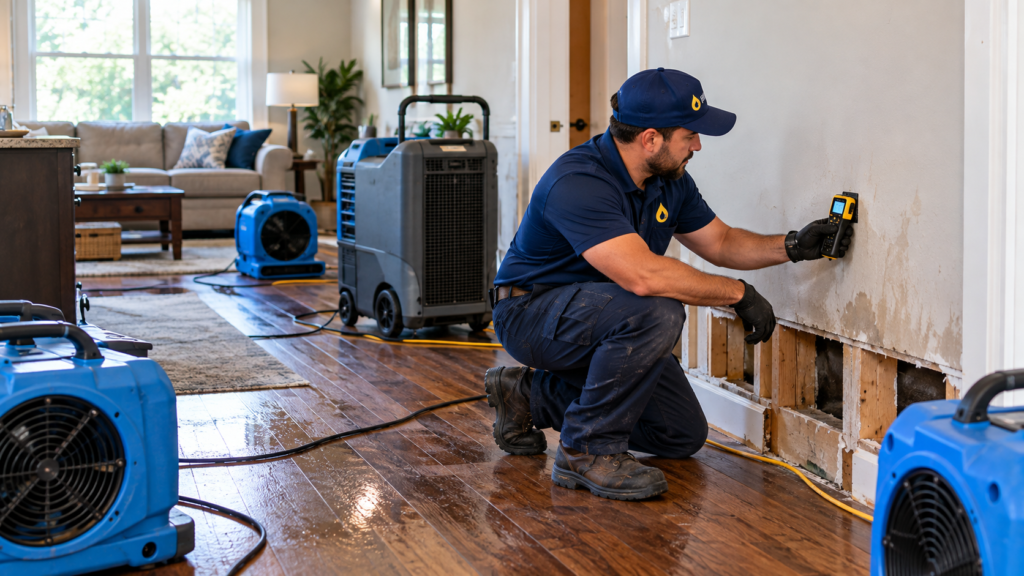
Moisture meters are the only reliable way to know when it’s dry. A wall can feel dry on the surface and still hold water inside. Closing walls up too early traps moisture and leads to mold and odor later.
Can a House Be Repaired After a Flood?
Yes, most flooded homes can be repaired. Once the structure is dry and clean, drywall, insulation, flooring, cabinets and trim are replaced. Travis County requires a building permit for repairs on flood-damaged structures, so check with your city or county before major work.
If your home is in a floodplain, ask about flood-resistant materials like tile flooring and water-resistant drywall for lower walls. They won’t stop a flood, but they make the next cleanup faster. For a closer look at each stage, read our water damage restoration process guide. Our water damage restoration crews handle the full process, from extraction to final repairs.
Flooded House FAQ
Make sure it’s safe to enter, shut off power if water reached electrical systems, photograph everything and contact your insurer. Then get the water out as fast as possible.
Yes. Floodwater is Category 3 water that can carry sewage, bacteria, chemicals and debris. Wear protective gear and keep children and pets away.
Clean hard surfaces with soap and water, then disinfect with a solution of no more than 1 cup of bleach per 5 gallons of water, as the CDC recommends. Porous materials soaked by floodwater should be removed.
Usually not. Most policies exclude flood from rising surface water. That requires flood insurance through the NFIP or a private carrier, which typically has a 30-day waiting period.
Mold can start growing within 24 to 48 hours on wet materials. Fast extraction and drying is the best prevention.
Flood Cleanup Help in Austin
From pumping out water to rebuilding, these services cover flood recovery.
Water Extraction
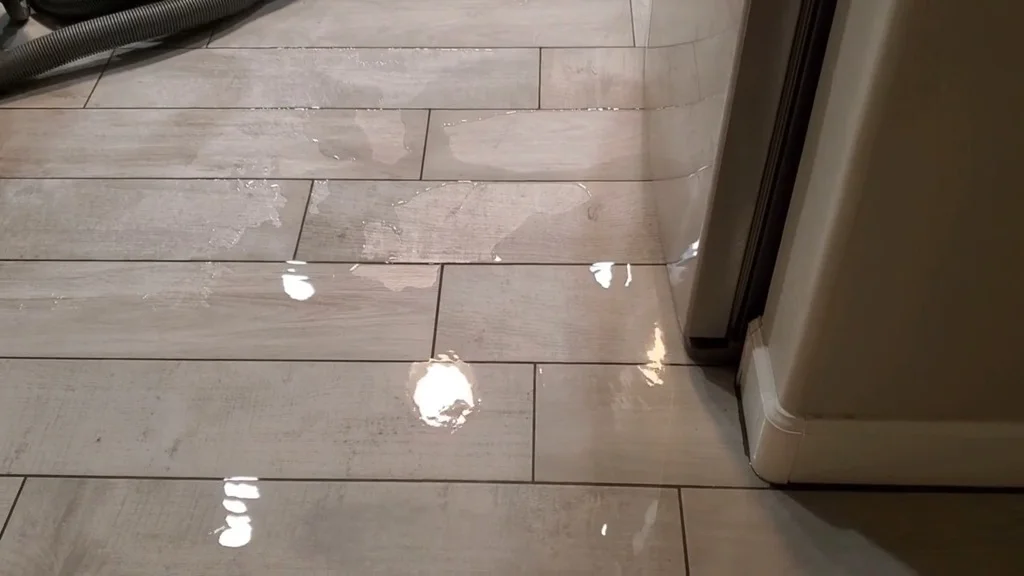
Standing water pulled out of carpet, pad and subfloor fast, before it spreads into walls.
Water Damage Restoration
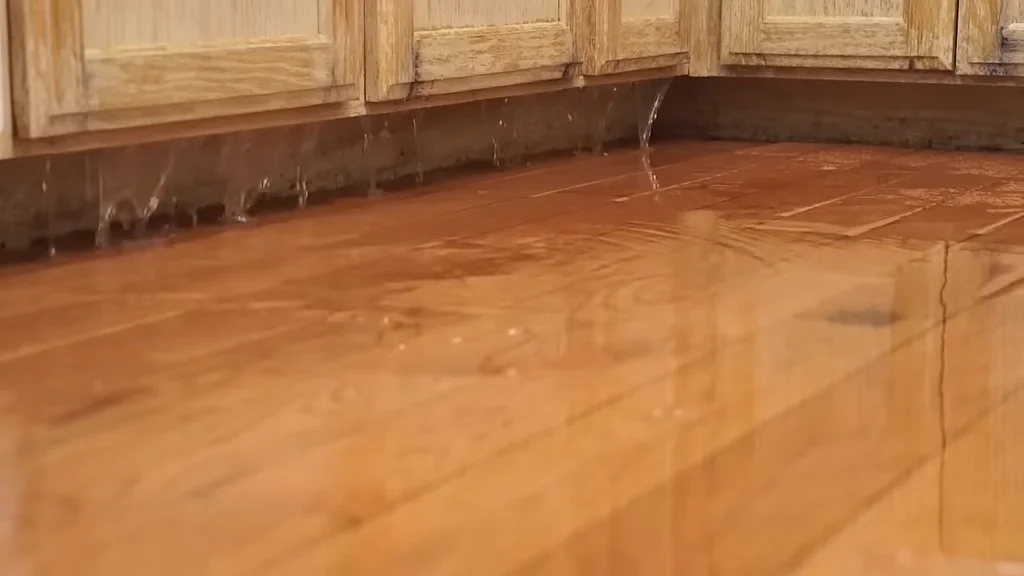
Leaks, floods and appliance failures dried to IICRC standards, with damaged floors, walls and trim restored.
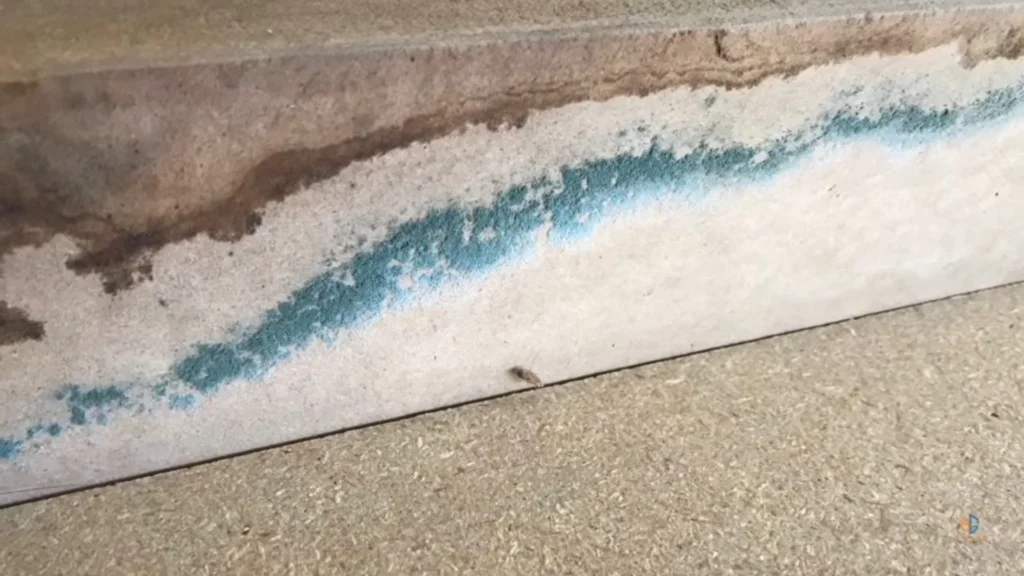
Mold Remediation
Containment, HEPA filtration and removal done to Texas rules, with the moisture source fixed.
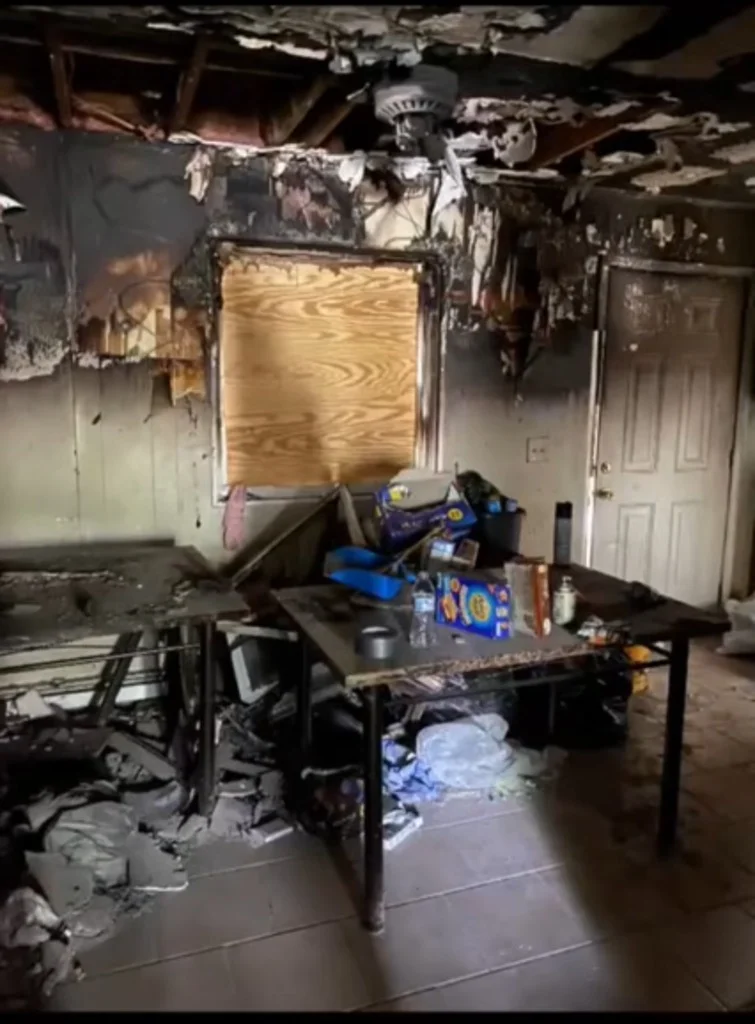
Fire Damage Restoration
Smoke, soot and firefighting water cleaned and deodorized so your home is livable again.
Get Your Austin Home Dry Again
Floodwater keeps causing damage until it’s removed. Call now and get a local crew started on extraction and drying.